
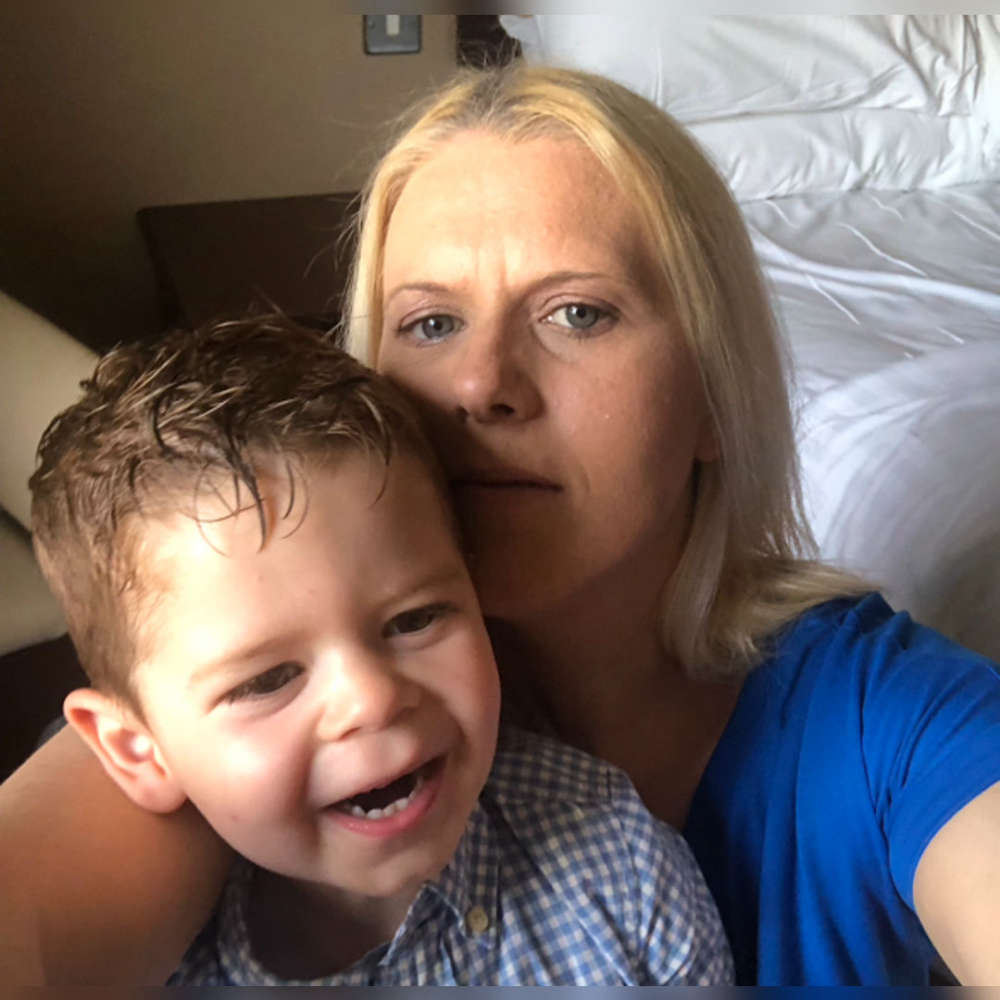
A mother from Tameside has told how her young son’s struggle to be understood led her into a years-long battle for answers, support and speech therapy, after he was eventually diagnosed with Apraxia.
Her account highlights a condition that is still little known to many families and a system she says left them waiting too long when early intervention mattered most.
Early concerns
Emma Goodier said her son Leo was a quiet baby from around 10 months old, when most children are beginning to babble and experiment with sounds. By 13 months, he still had no clear speech such as “mama,” “dada” or “baba,” but he could follow instructions, complete simple tasks and hit other developmental milestones.
That contrast was the first clue that something more specific might be going on. Emma said she initially wondered whether Leo was simply developing later than other children, but his strong understanding of instructions made her suspect the issue was speech rather than overall development. 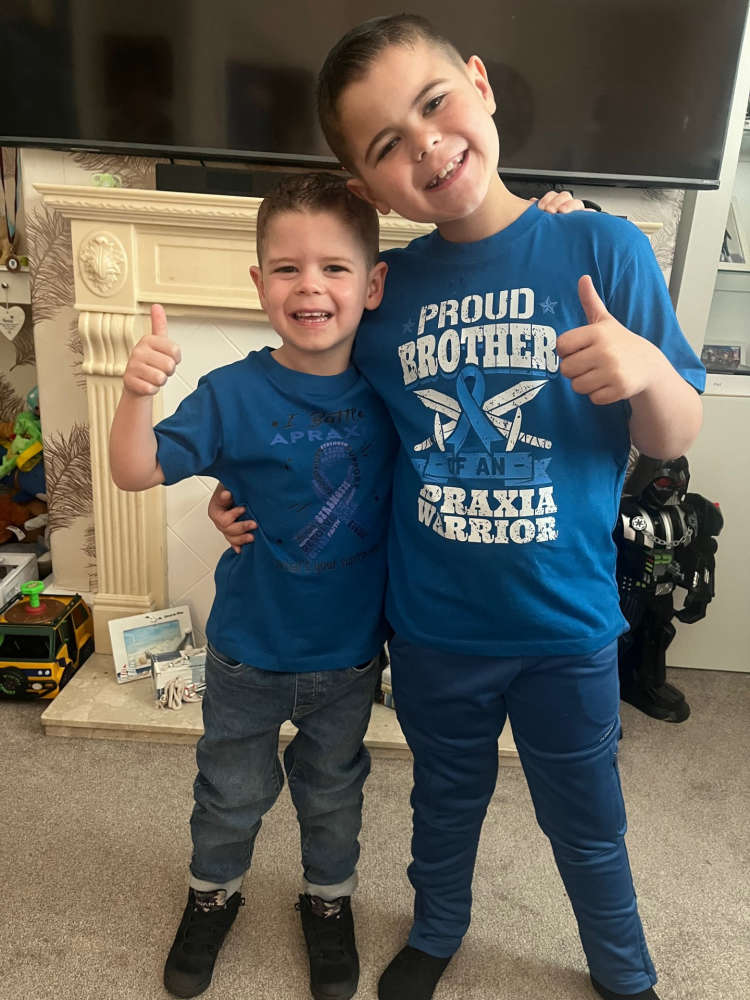
Searching for answers
The family’s search for help unfolded during the pandemic, when access to face-to-face support was severely limited. Emma said health checks were largely done by phone and that no health visitor came out in person, leaving her with little more than a paper-based assessment that suggested Leo was progressing well apart from speech.
Like many parents, she turned to the internet. At first, her searches repeatedly returned autism and she says that did not fully fit Leo’s behaviour apart from the speech delay. The turning point came when she found information from Apraxia Kids, an American website that described symptoms matching Leo’s experience much more closely.
What Apraxia means
Emma said she had never heard the term before, despite working in childcare for more than 20 years and spending much of that time as a SENCO specialising in autism. She was surprised to discover how rare Apraxia is, with roughly one in every thousand children estimated to receive a diagnosis.
She described Apraxia as a neurological condition that affects the pathway between the brain and the mouth. In her view, that means it is not the same as a typical speech delay and does not simply disappear with time. She said children with apraxia often need long-term speech therapy rather than a short burst of support.
Delays in support
By the time Emma began pressing for help, she says the NHS speech and language therapy waiting list was between 18 months and 2 years. That was alarming to her because she had read that the best outcomes come when intensive speech therapy begins by age two, and Leo was already approaching that age.
She said she asked whether the waiting list could be brought forward but was told the service had not really heard of apraxia and was dealing with a major backlog after COVID. She also described appointments with other professionals, including hearing checks and paediatric review, as steps that did not move the family any closer to the specialist support she believed Leo needed.
Turning private
Faced with the prospect of waiting years, Emma chose to go private. A speech therapist assessed Leo and agreed that Apraxia was the most likely explanation, giving him a working diagnosis while he was still too young for a formal one.
Emma said that private therapist became, in her words, “an absolute godsend,” putting strategies in place and helping Leo begin to communicate in more effective ways. But she also said the cost soon became enormous, eventually reaching around £48,000.
For Emma, that expense was tied directly to the difference between early intervention and doing nothing. She believes that without private therapy, Leo would still be at the stage of making only sounds rather than beginning to develop clearer speech.
School and home life
Leo began preschool using Makaton, a form of sign-supported communication, which Emma said the private therapist helped introduce alongside speech work. She worked with the preschool to show staff how the signs worked and over time the family built its own system of communication around Leo’s needs.
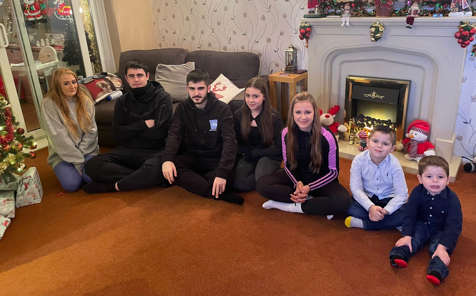
At home, the impact was just as strong. Emma said Leo’s younger siblings picked up Makaton quickly and his older sisters even taught themselves signs so they could show him new words. She described the family’s efforts as essential in helping him feel included and understood.
Still, she said preschool was difficult because some of Leo’s distress appeared to come from not being understood. That communication gap, she believes, meant his needs were not being met as fully as they should have been.
NHS recognition
Emma said the family remained on the NHS waiting list throughout this period, but the system offered little clarity beyond repeated references to backlog. Later, when she was going through the Education, Health and Care Plan process ahead of school, she said the local authority would not accept the private therapist’s report or diagnosis alone and required an NHS review.
She described that moment as particularly frustrating because the NHS speech therapist who visited spent only 15 to 20 minutes with Leo, compared with months of evidence gathered by the private specialist. Even so, that NHS assessment eventually confirmed the Apraxia diagnosis.
But there was another complication. Emma said that by the time the NHS review happened, Leo’s speech was not far enough behind his peers to qualify for the full range of NHS speech and language resources. In her account, that effectively pushed the family back into the private system again.
Living with the condition
Emma says Apraxia is not something that can be cured and that children who have it will need speech support for life. That reality has shaped how she thinks about Leo’s future, but she says the progress he has made so far shows what can be achieved with the right help.
She said Leo, now six, is doing “absolutely amazing” compared with how he was at two or even four. His communication has improved considerably, but only because of the therapy the family paid for and the strategies they built around him at home and at school.
A wider awareness problem
One of Emma’s biggest concerns is how little awareness exists around Apraxia. She said that when parents first start looking for answers, they are often met with fear, confusion and inaccurate assumptions, especially because online searches can point them toward autism or other conditions before apraxia even appears.
She believes that can leave families feeling isolated and dismissed at exactly the moment they need support most. For that reason, she wants the name Apraxia to become more familiar to parents, teachers and health professionals so children can be identified sooner and helped earlier.
Building support
Emma is now working on setting up a support group in the Manchester area for families who suspect Apraxia, have a working diagnosis or need practical help navigating services. She says the group would offer advice on everything from speech therapy to Education, Health and Care Plans, based on lived experience rather than theory alone.
She also wants it to be a place where parents no longer feel alone in the fight. Emma said that even with strong family support, the burden of pushing for help often falls hardest on the parent trying to advocate for the child.
Why it matters
The story of Leo and his mother reflects a wider issue in children’s speech and language support: when services are delayed, families with the means may go private while others are left waiting. Emma’s experience suggests the gap between what experts say children need and what systems can provide can be vast.
Her hope is that greater awareness will lead to better services, faster recognition and less time spent chasing answers. For now, she is focusing on Leo’s progress and on creating a space where other families can find the support she had to search so hard for.
She has already chosen a name for that effort: “Leo’s golden words,” a phrase that captures how much every first word can mean when a child has fought so hard to find a voice.
 Ruby wins Summer Reading Challenge prize
 331 families sign up for Hattersley Community Grocery
 Little Voices is expanding into Mossley
 Sinkhole threatens Park Bridge Remembrance Sunday service