

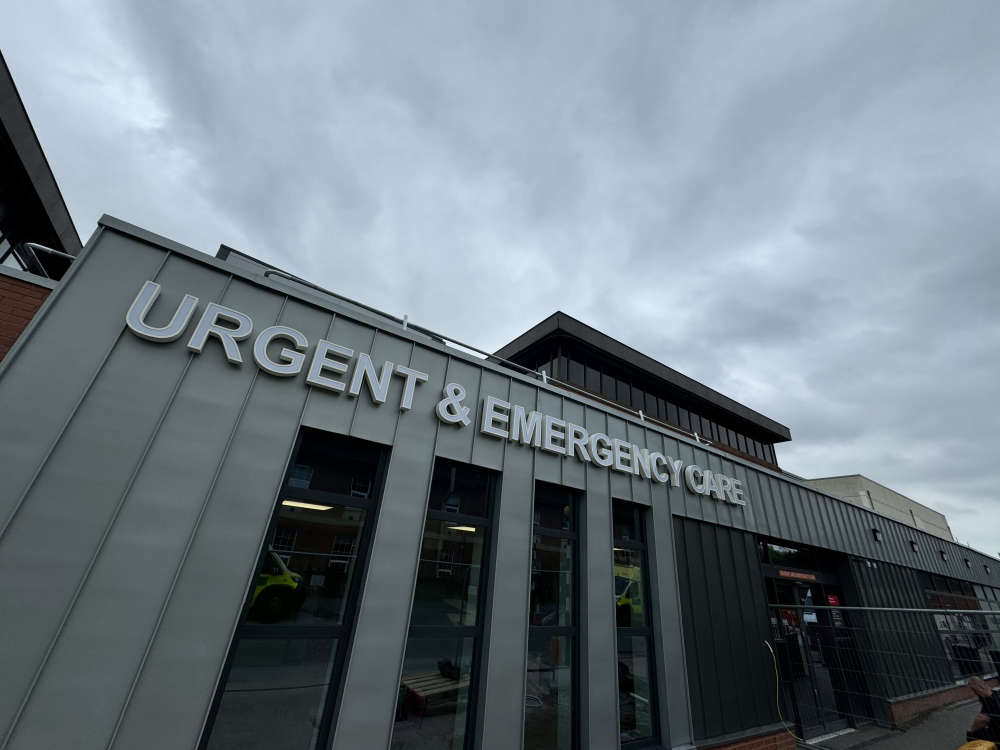
As rising demand puts growing pressure on NHS services across the whole country, Tameside & Glossop Integrated Care NHS Foundation Trust have deployed an innovative solution to reduce the number of avoidable visits to the emergency department (also known as A&E), by turning data into better care decisions.
By harnessing the power of artificial intelligence (AI), a new computational model can predict which patients are most likely to reattend the emergency department within the next month. This allows clinical teams to intervene sooner with community-based care, reducing pressure on the emergency department.
The Trust’s Business Intelligence team designed a model which generates a personalised risk score based on information already routinely collected during an A&E visit, like demographic data, arrival method, triage details, any long-term health conditions and history of emergency or inpatient hospital visits.
Once patients at high risk of reattendance have been flagged, multidisciplinary teams made up of staff from the Trust and other health and social care organisations come together to discuss each patient’s individual needs. They then coordinate personalised, follow-up care in the community to proactively address health issues before they escalate into an emergency. The AI tool continuously monitors these patients to check that the necessary actions have been completed and that the correct care has been provided.
Early results are encouraging. The impact of the tool varies each week but has ranged between a 33% - 50% reduction in emergency department reattendance among patients identified as high risk.
Over time the AI model will continue to expand, learn and improve, further enhancing its accuracy and effectiveness. Going forward, the Trust plans to introduce more automation to reduce pressure on clinical staff and improve the safety and quality of services.
It was important that the AI tool was accessible and easy to use for staff across the whole health and care system. The project team designed it as a single, user-friendly interface that can be accessed from multiple devices without requiring staff to navigate different systems at once. This way, multidisciplinary teams can make quick, informed decisions in a consistent, structured and targeted manner.
Accuracy and reliability were also both essential, and the project team carried out extensive testing before the model could be used in practice. Patient safety leads played a key role in designing clinical processes that accompany the AI tool, ensuring it is used safely and appropriately. Data security specialists made sure that patients’ information remains safe and can be accessed only by those with a legitimate purpose.
“The tool allows us to predict emergency department reattendance, rather than simply providing a retrospective analysis,” said Operational Intelligence Lead Liam Brierley.
“Our ambition is ultimately to change how we anticipate patient need, moving from reactive care to intelligent, preventative intervention.
“This project is strong example of how we can take advantage of new, advanced technologies like AI for the benefit of both our patients and staff. The AI tool doesn’t replace clinical judgement but rather empowers clinicians with the insight they need to deliver high-quality care before a crisis occurs.”
The project has been recognised for its positive impact on patient safety at the national HSJ Patient Safety Awards, where it is shortlisted for ‘Urgent and Emergency Care Safety Initiative of the Year’. The winners will be announced on 28 September 2026.
 Community support event to bring local services to Hyde Town Hall
 TPE introduces baby on board badges to support pregnant customers
 Angela Rayner joins police officers on 'Day of Action'
 Ex-smoker John urges others to quit after health scare