
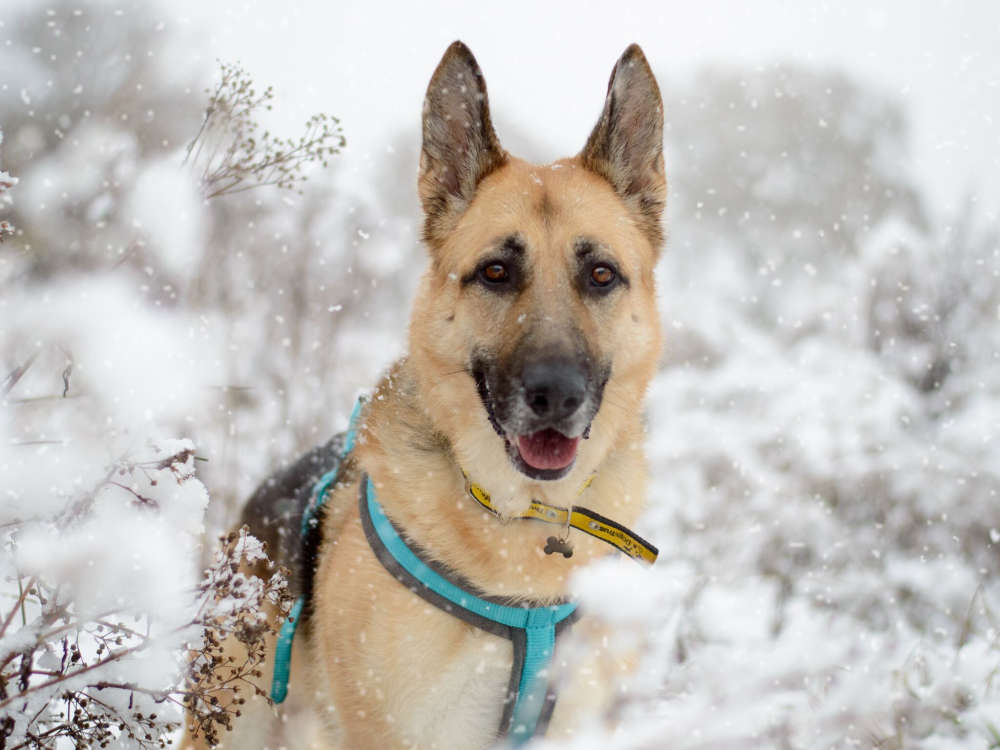
As cold weather warnings are issued by the Met Office across the UK, Dogs Trust Manchester is urging local dog owners to take extra care and keep their pets well away from frozen lakes, ponds and waterways.
While many dogs love nothing more than a swim, their usual splash spots can quickly become extremely dangerous during freezing conditions. Ice may look solid, but the charity warns that most frozen surfaces are not strong enough to support a dog’s weight. If the ice breaks, a dog can fall into freezing water below, putting them at serious risk.
Dogs Trust Manchester is also reminding owners never to enter icy water themselves if their dog falls through. Cold water shock can be extremely dangerous for people and may cause panic, involuntary gasping, inhalation of water and even fatal heart attacks – including in young and otherwise healthy individuals.
Entering the water can also complicate rescue efforts, as emergency services such as the fire service will always prioritise saving a person before an animal. Instead, owners should try to encourage their dog to swim back to the edge if possible and call 999 immediately in an emergency.
Dom Burke, Behaviour Officer at Dogs Trust, said: “Temperatures have dropped sharply in recent days, and many bodies of water are now frozen. While icy ponds and lakes may look inviting for curious dogs, they pose a serious risk to both dogs and their owners.
“If you’re walking near frozen water, it’s safest to keep your dog on a lead. If the ice breaks and your dog falls in, do not attempt to rescue them yourself, as this could put your life at risk and result in you needing emergency assistance.”
Frozen water isn’t the only hazard dogs face during winter. To help keep dogs safe, healthy and happy during the colder months, Dogs Trust has shared a range of practical advice for owners.
Dogs can feel the cold just like people do. Breeds with thick coats may benefit from letting their fur grow a little longer in winter, while short-haired dogs and puppies may need extra warmth. A well-fitting winter coat can help but should be introduced gradually and positively.
Snowy conditions can also be confusing for dogs, increasing the risk of them becoming lost. Owners are advised to use a lead in poor visibility, ensure dogs wear a collar with an ID tag, and check that microchip details are up to date.
After walks, dogs’ legs, paws and tummies should be wiped clean, as road grit, salt, snow and moisture can irritate skin and paws if left behind. Owners are also warned to be vigilant about antifreeze, which is extremely toxic to dogs and has a sweet taste that can attract them. Any spills should be cleaned up immediately, and veterinary advice sought if ingestion is suspected.
With shorter daylight hours, Dogs Trust also encourages owners to think about visibility. Reflective or high-visibility clothing for both dogs and owners, along with flashing lights, can help keep everyone safe. Winter weather can also cause wear and rust on leads, collars and harnesses, so equipment should be checked regularly.
Finally, if cold or icy conditions mean fewer outdoor walks, owners are reminded to keep dogs mentally stimulated indoors with games such as hide and seek, puzzle toys, food-dispensing toys and long-lasting chews.
More advice on keeping dogs safe and happy during cold weather can be found on the Dogs Trust website at:
www.dogstrust.org.uk/dog-advice/life-with-your-dog/seasonal/cold-weather-advice
 Town hall boss urges peace as local families left in fear for loved ones
 United Utilities to carry out sewer repair works on the A663 in Chadderton
 Deputy headteacher named among UK's Top 100 Most Influential People 2026
 Robins scoop Spooner