


If you drive a petrol or diesel car, you'll have watched the prices creeping up with horror over recent weeks. Admittedly, the spectacle of Donald Trump's recent AI image, which he later claimed portrayed him as a doctor, was even more horrific. The orange President said "only the fake news could come up with that one" when it was suggested he sought to portray himself as a Christ-like figure. Honestly, it's satirists I feel sorry for. Late night sweary social media posts threatening to send countries back to the Stone Ages make me wince more than a James Corden DVD box set.
Joking aside, we live in worrying times, and although the UK has not expressly got involved in the current Iranian conflict, the effect on our prices has been clear. The latest suggestion from supermarkets is 'dynamic pricing', which means prices are adjusted in real time according to supply and demand. You'll remember the furore from Oasis fans when this happened during the race to secure tickets for their recent gigs. A recent study from the Bank of England suggested that electronic shelf labels could potentially be used more widely in the future, allowing for prices to be changed according to demand. They are already in use at some branches of the Co-op, Morrisons, and Waitrose.
The British Retail Consortium, which represents more than 200 leading retailers, has told the Mirror that there are no plans to roll out 'dynamic pricing' more widely, but I'll see you in store at 5am if it means cheaper prices on coffee and chocolate at that time.
I had a strange experience last week when a tweet went viral. These days, it feels like the only people left on 'X' (as we supposed to call it nowadays) are Russian bots and click farms, but a fairly unremarkable tweet I put out about petrol prices seemed to be picked up by lots of American accounts in particular. I simply asked for a rational explanation of the so-called 'rocket and feather' effect, where prices shoot up at the first hint of world unrest, yet seem to stay artificially high even when oil prices start to stablise and fall. I'm aware of how capitalism works, but it just feels grossly unfair. Whilst not a conspiracy theorist, I feel there might be some mileage in the theory that we are being gently pushed towards EVs. I shall continue with my recent policy of driving at 55mph on the motorway in the inside lane, usually being overtaken by almost every other vehicle including the odd crisp packet and carrier bag. I also recently completed a speed awareness course, which means any transgression will now result in penalty points and more expensive insurance.
Elsewhere this week, a pub landlady in Sleaford, Lincolnshire, has urged people to call and cancel their bookings rather than becoming no-shows. Neve Baker-Wright runs the New Inn in Folkingham, and told the BBC that a table of 13 failed to show up last Thursday evening. They reportedly received a call at about quarter to six to book the table, and the venue immediately rearranged the dining room & drafted in an additional staff member, only for nobody to turn up. Baker-Wright says: "It puts all the staff on edge because you don't know if the table are going to turn up late or if they're not coming".
At a time of increased costs for hospitality, and people having less money available in their budget for dining out, it's grossly unfair and irresponsible for anyone to do this. Whilst I accept there might be a dire emergency, in most cases it's just pig ignorant, and if I ran a venue, I'd be livid. Hospitality tech provider Zonal say that about 15% of bookings fail to turn up, which costs the sector an eye-watering £17.6 billion in lost revenue every year. They also say 18 to 34 year olds are the worst offenders, with about a quarter of them confessing to not showing up. I find this outrageous. I panic if I'm a few minutes late for a booking, as my wife will testify, and am clearly at the other end of this scale! I recently missed a doctor's appointment for a blood pressure test, and was mortified when I called them to rearrange.
Whilst we are living through such tumultous times, a little consideration for others would go a long way. I'd like to get some of that community spirit back that we had during the pandemic.
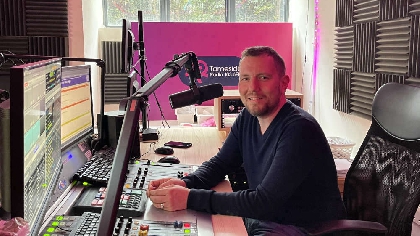 Alex Cann's weekly blog - 9th January
 Alex's Weekly Blog - 10th October