

Age campaigners are urging people to stop using phrases like "over the hill" and "stuck in their ways", claiming that their use helps to "entrench ageism" in society. Boffins from the Centre for Ageing Better have quizzed 4,000 people and found that even folk in their 40s and 50s have experienced this type of language. This has taken me down a peg or two after I enjoyed an Elemis facial on my recent break in the Lake District and was told I have the skin of a 41-year-old. Weirdly specific, but I'll take the compliment.
One in ten people in their 40s and 50s have been branded "over the hill" on at least one occasion, whilst almost a quarter said they had been told they are "stuck in their ways". Eight per cent had been told "old dogs can't learn new tricks". Rude!
Almost a tenth of those over 65 have been branded a dinosaur, whilst 13% of over-75s have been told they were "past their sell-by date". When it comes to using ageist language ourselves, 18% of all adults admit to using the phrase "mutton dressed as lamb" about someone older. If this is a safe space, I'll admit that when I worked at Minster FM in York in 1994, we used to call the over-25s night at a local nightclub "grab a granny night". I'm almost double that particular social occasion's age limit now!
Campaigners say that language like the phrases I've mentioned can knock people's confidence as they age, and would like us to choose our words more carefully. Harriet Balliss, co-head of the Age Without Limits campaign at the Centre for Ageing Better, told Sky News that the research illustrated that "everyday ageist phrases are still commonly used". She went on to say: "We probably use these phrases without thinking, but their repeated use helps to entrench ageism within society, which can limit everybody's work, health, relationships, ambition and confidence as we grow older."
So, are they harmless examples of British banter, or do we need to slap a ban on using them? An outright ban does seem a little extreme, however upsetting it is having to scroll back through the years on websites to find your date of birth nowadays. Personally, I wouldn't have a problem with being branded a dinosaur. I like a proper hardback rather than a Kindle, I prefer handwritten letters to a vitriolic tweet, and I much prefer to read newspapers in their print format with a cup of Yorkshire tea rather than electronically. Old-fashioned values are also important to me, and I try to be kind, polite and considerate wherever I can. I'm not perfect, but I'm too long in the tooth to put up with the likes of TikTok and Snapchat, which are being bandied about for a ban for the under-16s.
Language used by young people can be pretty confusing. Although I've learned what "on fleek" means, research tells me this dates back to a Vine video in June 2014, when user Kayla Newman declared "eyebrows on fleek" (perfectly groomed). Allow me to introduce you to three more...
Mid is defined as mediocre or of disappointing quality. So, if a teenager brands you as "mid", it basically means you're bang average and nowt remarkable. Falling short of expectations or not being particularly impressive adds further context.
Lowkenuinely is a strange hybrid between "lowkey" and "genuinely", used to express something sincere in a casual, laid-back way. For example, "I lowkenuinely love this song". Feel free to slap me with a wet Whitby cod if I ever use this phrase.
And whilst apparently chopped is a new way of branding someone ugly, choppelganger is a portmanteau of "chopped" and "doppelganger", used to describe someone who is a less attractive lookalike of someone else. I have been compared to TV presenter Richard Arnold in the past, which I'm not sure is particularly fair on either party. So, am I his choppelganger? Who knows.
One thing's for sure; language never stops evolving. A 2024 survey found that pet names such as "babe" and "hun" are being ditched by Generation Z, whilst classic insults like "plonker" and "prat" are alien to anyone under the age of 28. "Nitwit" and "numpty" are also in the danger zone, whilst "toerag" and "pillock" are on the danger list too.I prefer all of these to the newer phrases, which probably makes me over the hill. Thanks for reading this far. May I say you are particularly on fleek today.
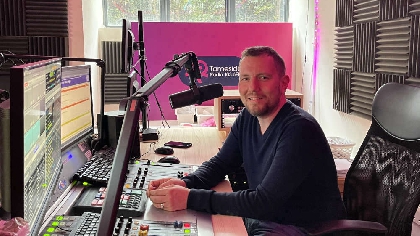 Alex Cann's weekly blog - 9th January
 Alex's Weekly Blog - 10th October