

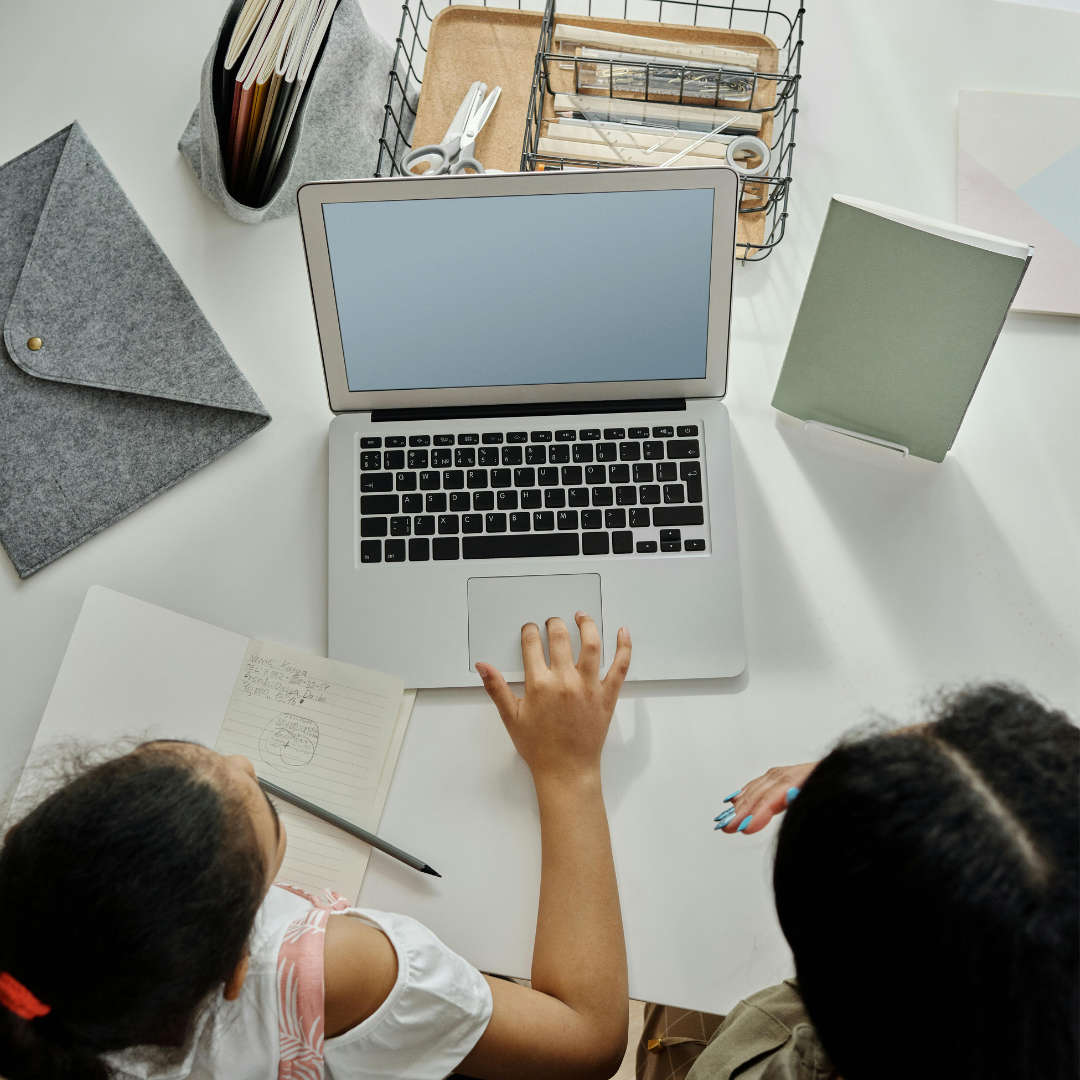
Eva Yates, 16, is completing work experience with the newsroom at the Reporter and writes here about her experience of home education.
Home education is on the rise in the UK, and many families say the experience offers more benefits than people might expect.
Out of 9.14 million UK children in the 2024/25 school year, over 175,000 were home educated—22,000 more than the previous year.
As of 2024, around 550 children in Oldham and Tameside are now home educated. The government claims that home educating a child “is a challenging task,” but the numbers continue to rise year after year.
Home education is where parents take full responsibility for their child’s education. According to 2019 estimates, 80-90% of the total number of home educated children attended school at some point.
The Education Act 1996 states that parents have a right to educate their child at home. If a child still attends school, a parent or guardian must contact the school, and in some cases the local council, before they can home educate.
A parent may choose to home educate their child for a number of reasons, including religious or cultural beliefs, dissatisfaction with the school system, or a child’s unwillingness to attend school.
The government and other organisations have more recently provided families with resources to help guide their home education journey. Many parents point out that numerous areas have specific home education Facebook groups where families share tips and advice, as well as organise meet-ups.
Each family home educates differently because there is little pressure on how to educate the “right” way. Some families may have external tutors or learning platforms, others may learn by using online videos and textbooks, and many parents take the role of being their child’s teacher.
When a child is home educated, they do not need to study particular subjects because there is no requirement to follow the National Curriculum. There are no obligations to enter children for public examinations, and their days don’t need to follow the same structure as the basic “school day” or mirror the holidays taken by schools.
Supporters of home education say it allows students to have the freedom to study subjects that interest them, encouraging them to become more independent learners. Critics of home education often raise concerns about socialisation and shared values.
One schoolteacher told the Reporter: “I think home education can work to build up certain values within students; however, schools often have set values which they stick to. Moral lessons can be taught through subjects like History and English.
“If the student is not present in a learning community, the lessons learnt from these subjects cannot be put into practise. In my own experience, school values have been ingrained into the school day.
“While social skills can be taught through home education, it is important for young people to use these skills in practice. Discussing concepts with people their age in a school can help to boost learning, along with building interpersonal relationships.”
Some may agree with this view, but many who have experienced home education argue that students gain a love for learning and learn at a greater depth because they are actively engaged in the subjects they are studying.
Home educators have explained how they make socialisation a major part of their weeks. They say that their children frequently meet up with friends and often demonstrate their confidence to build a new friendship with a stranger.
Home education works well for some families but is not always preferred by others. It isn’t a “one size fits all” situation and includes many challenges that sometimes aren’t clear until you reach them.
Families need to pay for any public examinations their child may wish to take. These exams are not required, but many feel it is unfair that students in schools sit multiple exams for free.
Some children attend a 14-16 college where they can study for and sit their exams. Others may register as a private candidate and attend an exam centre, where the average price for sitting a GCSE exam range from £120 to £350 per subject, and sitting an A Level can be priced between £300 and £500.
Home educators also point out that some opportunities are more difficult to get without the help from a school. For example, finding work experience or learning how to revise can be challenging, but it is said that these can be tackled with advice from other home educators.
As someone who has experienced both school and home education, I know the transition to home education can feel difficult at first. Many students say the shift helped them to grow in ways they didn’t expect, helping them to become a unique person without fear of others’ judgements.
Home education may not be for everyone, but many believe it should not be overlooked.
As home education continues to grow across the UK, families say they hope for clearer guidance, more support, and greater recognition of the diverse ways children can learn.
 The app the world can’t agree on
 Family “Egg-Stravaganza Party” coming to Ashton this March
 Power of Resilience celebrated during Food Waste Action Week
 New park for Hattersley approved