

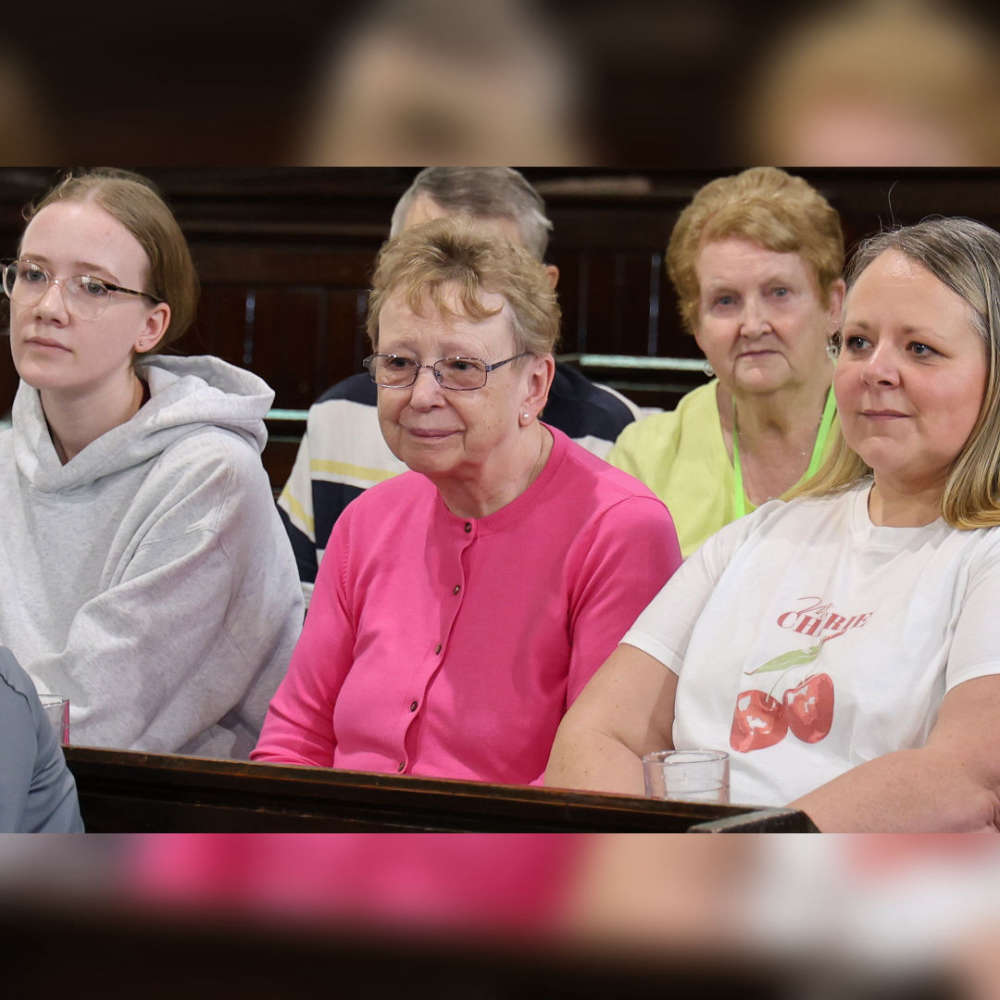
A church hall filled with music, conversation and shared understanding has become a vital source of comfort for people living with dementia and the carers who support them.
At St George’s Church Dementia Cafe, held every fortnight, the focus is not simply on entertainment or refreshments, but on creating a place where people feel welcomed, understood and valued.
The cafe, which first began in 2020 but properly got under way in 2021 after pandemic disruptions, has steadily grown into an important part of local life. Run by Chris Crabtree and a small team of volunteers, it offers a mixture of lunch, games, outings and musical performances, with activities designed to suit people at different stages of dementia. Chris said the group is limited by room size, but within that space it aims to provide as much variety and support as possible.
“We do a bit of everything,” she said, describing a programme that has included dominoes, bingo, darts, music sessions and trips out to places such as bowling centres, lunch venues and pottery workshops. For Chris, the value of the cafe goes beyond keeping people occupied. It is about companionship, dignity and the chance to keep living life with purpose and enjoyment.
She also spoke warmly about the volunteers who make the cafe possible. With only a small team helping to run the sessions, she said the group could not function without them, adding that the work is as much about supporting carers as it is about supporting people living with dementia. That support often continues well beyond the cafe itself, including through practical help and a WhatsApp group where carers can share advice and get reassurance.
Chris said that sort of network matters because the pressures of dementia reach far beyond the person diagnosed. Carers often carry the heaviest load, she said, and may need both emotional encouragement and practical assistance at any hour of the day or night. Chis described the cafe as a lifeline and said it was a privilege to help families facing such difficult challenges. 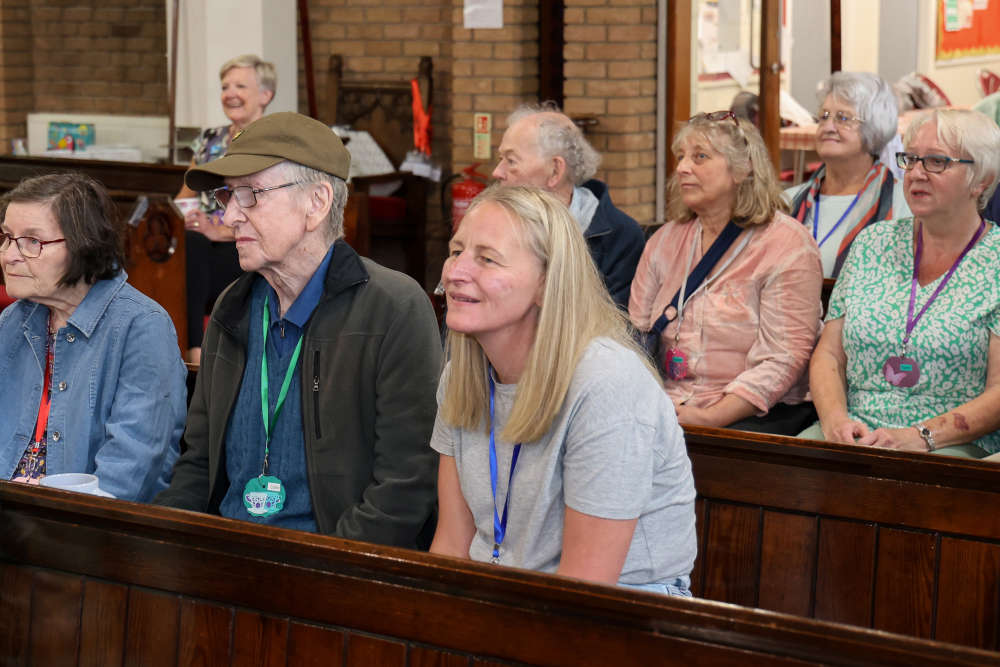
That sentiment was echoed by Linda, who has attended the group for around three or four years and first came as the carer for her husband Norman. She said he loved the cafe because of the support, friendliness and singing, and described music as a powerful trigger for recognition and happiness. Even when people cannot remember names or places, she said, familiar songs often bring them back to life in the moment.
Linda said the cafe offers more than a pleasant outing. It provides a place where people are treated kindly, where carers are understood, and where help is always close at hand. She said the atmosphere is more welcoming than formal services because it feels personal and human, with people around who know what living with dementia really means.
Linda also spoke about the early stages of caring, saying it can feel overwhelming and lonely before support is found. In her view, the cafe and other similar groups help people navigate a confusing system, linking them to social services, mobility aids, day care, transport advice and other practical assistance. Even after Norman’s death six months ago, she continues to attend because, as she put it, she goes home feeling as though she has had a hug.
For Ingrid, another carer at the cafe, that sense of shared experience has been just as important. Her husband was diagnosed with vascular dementia three and a half years ago, shortly after she retired. She said the diagnosis changed everything and left the couple asking what they were supposed to do next, only to find that the answer from the health service felt limited and abrupt.
Ingrid said the lack of follow-up after diagnosis was one of the hardest parts, leaving families to find their own way through a condition that has no simple treatment. Support groups, she said, have been a lifesaver because they provide not only advice but reassurance from people who understand the same daily realities. She described the cafe as a calm and pleasant environment where carers can take a breath and feel part of a wider community.
Her husband, once highly independent and sporty, has now reached a stage where he needs constant care, and she said the journey has been emotionally difficult. But she also said there is comfort in knowing that others in the room have faced, or are facing, the same challenges. For her, that shared understanding is what makes the support network so valuable.
Music, again, was at the heart of that experience. Ingrid said her husband particularly enjoys songs from the 1960s and that the cafe’s musical sessions draw him in immediately. Unlike some support settings that rely mainly on conversation, she said this group keeps people involved and entertained, which makes all the difference.
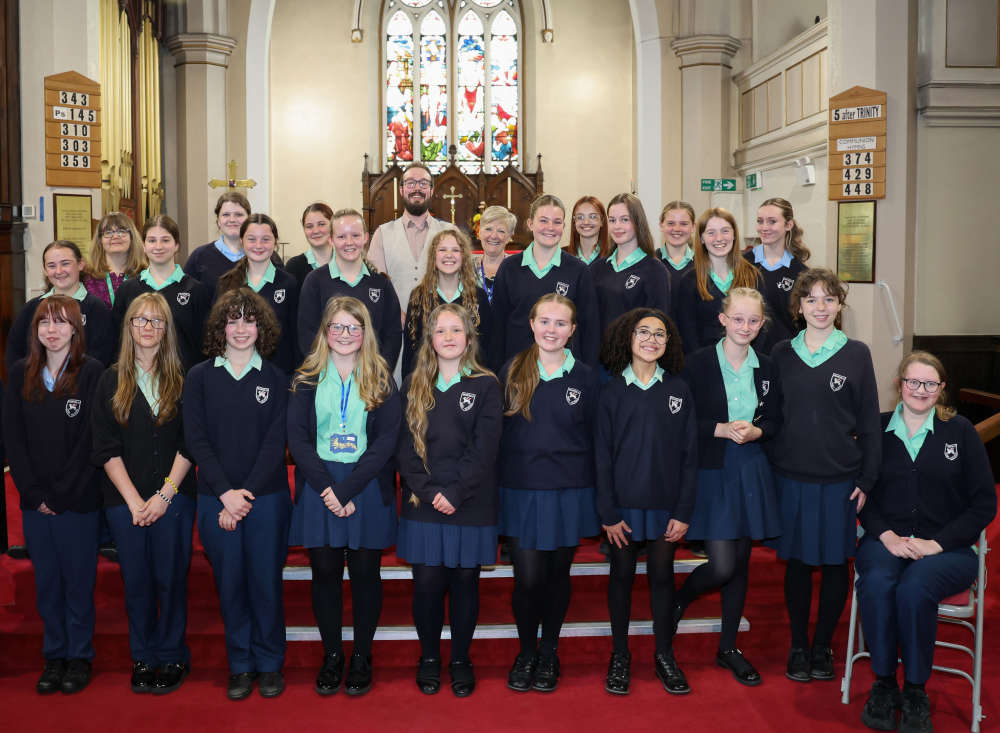
The event also brought in younger voices, as two Fairfield High School pupils, Evelyn and Elizabeth, joined the cafe as part of the choir performance. Evelyn said she already volunteers at the group during school holidays and wanted to bring the choir because she knew how much visitors had enjoyed previous performances. Elizabeth said she too had family experience of dementia and understood how hard the condition can be for everyone involved.
Both pupils said dementia awareness should be better taught and more openly discussed. They reflected on how little formal education young people often receive about the condition, despite the fact that many families are affected by it. Their comments underlined one of the day’s strongest themes understanding dementia is not just a matter for health services, but for schools, families and the wider community too.
The choir performance itself was expected to be a highlight of the afternoon, and Chris said music is especially valuable because it can reach people in ways words sometimes cannot. She explained that even people who struggle with speech can often sing along to a familiar tune, revealing a spark that might otherwise seem lost. That, she said, is part of the reason the cafe works so well.
At St George’s Church Dementia Cafe, the message is simple but powerful, people living with dementia should not have to face the condition alone. With its blend of practical help, emotional support, lively activities and song, the group has created something that feels less like a weekly event and more like a community lifeline. In a quiet corner of the church, among tea cups, laughter and music, that sense of belonging was impossible to miss.
If you’d like more information on the Dementia Cafe, contact Chris on 07714 235736.
 Ruby wins Summer Reading Challenge prize
 331 families sign up for Hattersley Community Grocery
 Little Voices is expanding into Mossley
 Sinkhole threatens Park Bridge Remembrance Sunday service