

'Power cuts - it is going to get worse' was the gloomy front page headline in a week when almost every part of our area faced being plunged into darkness as power station workers fighting for a pay rise began a 'go-slow' work-to-rule.
Back in 1970, our news teams across the district reported that localised cuts of ‘varying duration’ were continuing to cause massive disruption.
Children had to be sent home from school, industrial production had been hit and there were extra hazards on the roads with street lights and traffic lights out of commission.
In shops and offices people worked by candlelight. Stores everywhere were rapidly running out of candles and torch batteries. In a few places there were complaints of retailers ‘cashing in’ by selling candles at inflated prices.
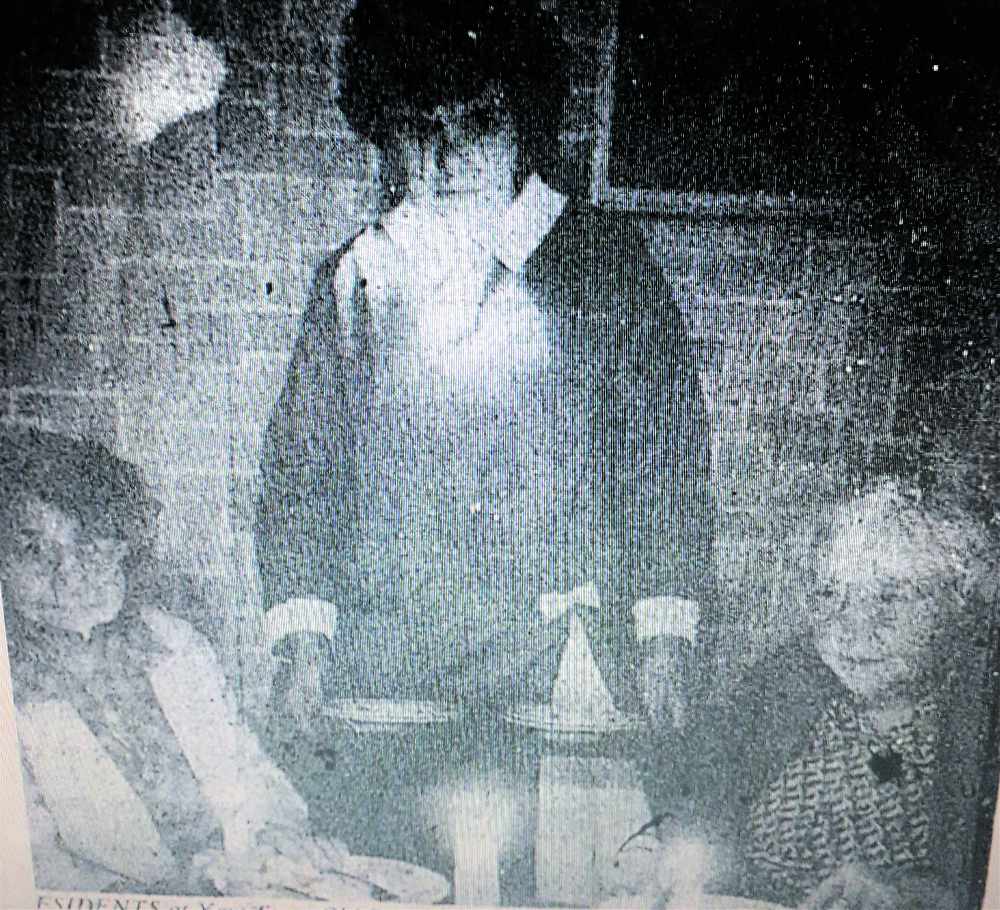
People living in tower flats faced a weary trudge up flights of stairs as lifts failed. Elderly care home residents had to manage with cold meals served by candlelight.
School meals prepared at the central kitchens were also affected leading to late deliveries.
Some schools improvised by cooking meals in domestic science lessons.
Letters went out to parents warning that children might have to be sent home at short notice.
Among Ashton firms affected were Joshua Heap and Co where a full day’s production was lost, John Carlson and Co at Texas Mill and the Reporter’s print works at Waterside Mill, Whitelands Road.
Main image:
Breakfast by candlelight: Residents at Yew Trees care home in Dukinfield were left in the gloom.
 Community support event to bring local services to Hyde Town Hall
 TPE introduces baby on board badges to support pregnant customers
 Angela Rayner joins police officers on 'Day of Action'
 Ex-smoker John urges others to quit after health scare