

One in three young adults have said that recreational ketamine use is common among people of their age - according to a new survey commissioned by leading social enterprise Turning Point.
A YouGov poll asked 1,015 people aged 18-30 about their experience of ketamine with 33 per cent revealing that they thought the drug was used recreationally within their age group. The number was significantly higher among women (37 per cent) than men (28 per cent).
Almost ten per cent of respondents said they had used ketamine before, but no longer use it, three per cent said they currently use it and one per cent said they use it on a daily basis – this would equate to roughly 102,000 people aged 18-30 using ketamine every day in the UK.
On the back of this data, Turning Point has launched a national Ketamine Awareness Campaign that aims to raise awareness of ketamine-related harm, promote specialist support and referral pathways, and influence policy and drive systemic change.
As part of the campaign, 1,000 attendees are expected to take part in a webinar titled Ketamine Use & Harm Reduction: A Webinar for Frontline Healthcare Professionals which comes on the back of research that showed GPs and pharmacists are not always picking up ketamine-related symptoms in patients.
The organisation will also run a dedicated social media campaign to raise awareness of ketamine use.
In recent years, the UK has witnessed a concerning rise in ketamine use, transforming from a relatively obscure anaesthetic into a popular recreational drug.
The most common reasons why people think ketamine is taken were to enhance parties, festivals or social events (52 per cent); curiosity/try something new (50 per cent); for fun/enjoyment (49 per cent); and because friends are using it (49 per cent).
Almost a third (35 per cent) of respondents thought people used it to cope with stress or mental health. This was higher in the 18-24 age bracket (39 per cent) vs those aged 25-34 (32 per cent).
Every Turning Point substance use service across the country has seen a rise in the number of people accessing support for ketamine use.
There was a substantial increase across Rochdale and Oldham from four in 2020 to 38 in 2025.
Turning Point’s Rochdale and Oldham Drug and Recovery Service (ROAR) service has been working to implement ketamine treatment pathways run by specialist multidisciplinary teams that include clinicians, nurses, therapists, recovery workers and peer mentors.
One person currently being supported by the Rochdale service is Frank (not real name) who first came to Turning Point in July 2025 to address his ketamine use.
He’s been using substances since his early 20s, including cocaine, which he says has never been an issue. Frank lives in an area where there is a community of people who use ketamine and cocaine.
A traumatic event led to an increased use of ketamine, which he said has led to a psychological obsession with the substance as he uses it as a coping mechanism in social situations and admits he can be influenced by those around him to continue to use it.
Frank used to be a personal trainer and aspires to recommence his career once he’s abstinent.
He is currently an inpatient in at Turning Point’s specialised detoxification facility in central Manchester, Smithfields, and then plans to go on a three-month rehabilitation programme to address the underlying reasons for using ketamine and to learn new skills for coping with life.
He has an aftercare plan in place so he can continue to access the support needs to maintain his recovery and live in an environment which is conducive to this. Frank said he is feeling positive and hopeful for a substance-free future.
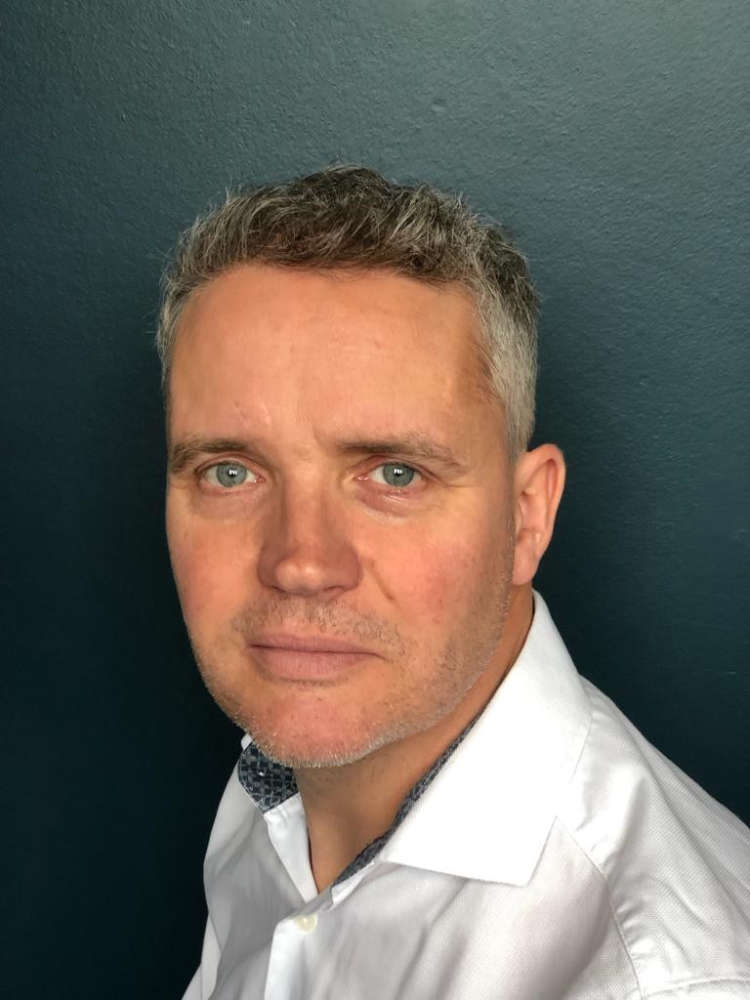
Dr Martyn Hull (pictured above), Turning Point Clinical Director, said: “We are seeing the people we support getting extremely unwell, at times soon after they start using ketamine. Long-term use of ketamine has both physical and mental impact on individuals, including severe bladder, liver and kidney-related issues which can be irreversible.
“Being aware of the risks of ketamine and getting support early on from healthcare providers and drug and alcohol services is vital to stop ketamine dependency progressing to dangerous levels.”
Gary Marshall, Senior Operations Manager at Rochdale and Oldham Drug and Alcohol Service (ROAR), said: “We want people to know that services are available and specialists are on hand for people who may be looking for advice or wanting to completely stop taking ketamine.
“Ketamine may seem like a harmless party drug, but it can have devastating long-term consequences which is why drug and alcohol services, GPs, pharmacists, and other medical professionals are urging people to seek help.
“Turning Point have developed ketamine pathways that provide tailored support for each individual based on their needs. We have addiction specialists and people with lived experience to guide individuals in their recovery journeys.”
 Oldham Athletic Chairman helps to raise awareness about prostrate cancer
 Affordable pre‑loved paint available at Oldham’s Renew Paint Shop - perfect for spring makeovers
 Dr Kershaw's Hospice launches free art sessions for people with life-limiting illnesses
 New Greater Manchester foundation turns wheelie bins into messages of hope