

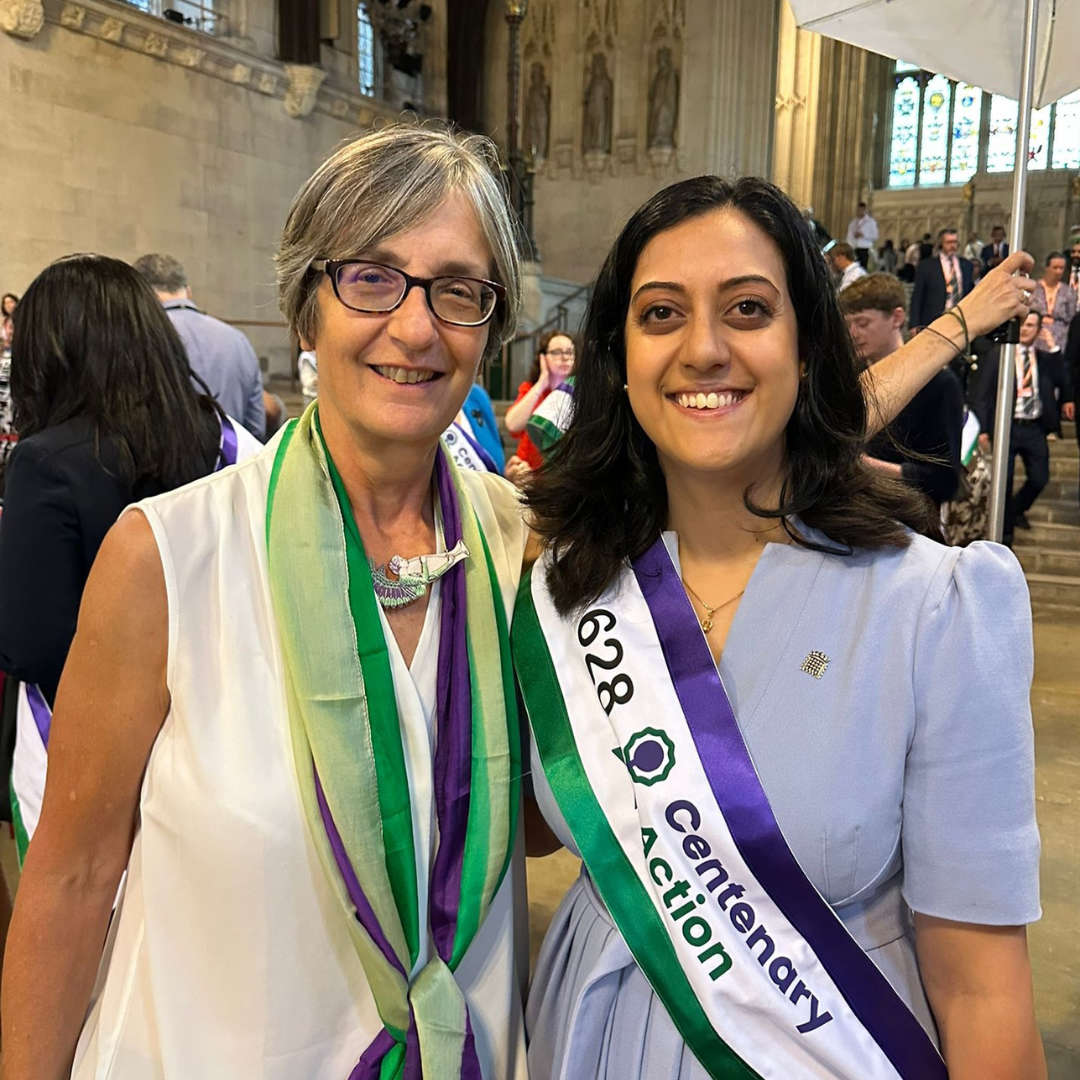
The latest Pankhurst–Fawcett Scorecard and Report by GM4Women2028 has revealed that gender inequality remains a reality across all areas of life in Greater Manchester, including Oldham.
The findings were unveiled during GM4Women2028’s annual Reveal 2026 online event on Friday, February 6, bringing together activists, researchers, policymakers, community organisations and residents to examine the data and discuss how to accelerate change for women and girls.
Now in its eighth year, the Scorecard tracks ten indicators across five thematic areas – employment, safety, participation, education, and culture & active lives – combining national and local datasets with academic research to assess progress on gender equality.
The data shows that, while some indicators have improved since the Scorecard began in 2018, change has been slow and inconsistent.
Helen Pankhurst CBE, Convenor of GM4Women2028, explained: “Inequality persists for Greater Manchester’s women and girls across the board.
“In none of the indicators we measure has the gender gap disappeared, or the issue been fully resolved. Progress is not linear, and the changes we see are often small, even over many years.
“What the Scorecard shows clearly is that progress requires sustained effort, better data and continued collaboration if we are to create a city region where women and girls can truly thrive.”
The employment rate gap between men and women stands at 5.6 per cent, improving from 9 per cent in 2018. The gender pay gap has narrowed from 14 per cent in 2018 to 9.9 per cent, though it has widened slightly since last year.
Ninety-two percent of migrant survivors of gender-based violence seeking support were denied it due to immigration status, highlighting a significant and growing barrier to vital help.
Data on the proportion of sexual violence survivors unable to access support could not be updated due to the absence of comparable research.
Twenty-seven per cent of voting members in the Greater Manchester Combined Authority cabinet are women, up from 18 per cent in 2018. Women hold 40 per cent of judicial appointments, an improvement of around 10 per cent over eight years.
Women account for 19 per cent of engineering and technology undergraduates, showing little change from 2018.
Women make up 7 per cent of construction and built environment apprenticeships, up from just 1 per cent in 2018.
Forty-seven per cent of senior roles in Arts Council National Portfolio organisations are held by women, up from 40 per cent in 2018.
Thirty per cent of women report doing less than 30 minutes of physical activity per week, indicating a worsening trend in physical inactivity since 2018.
The next major event for the GM4Women2028 community will be an in-person event titled ‘Dialogue, Deeds & Determination’, taking place in Rochdale on Saturday, July 4.
This gathering of women, girls and male allies will deepen collaboration and translate the Scorecard findings into practical actions.
Interested attendees are invited to sign up via Eventbrite.
 First Choice Homes Oldham supports major clean-up drive
 New pitch for local football club
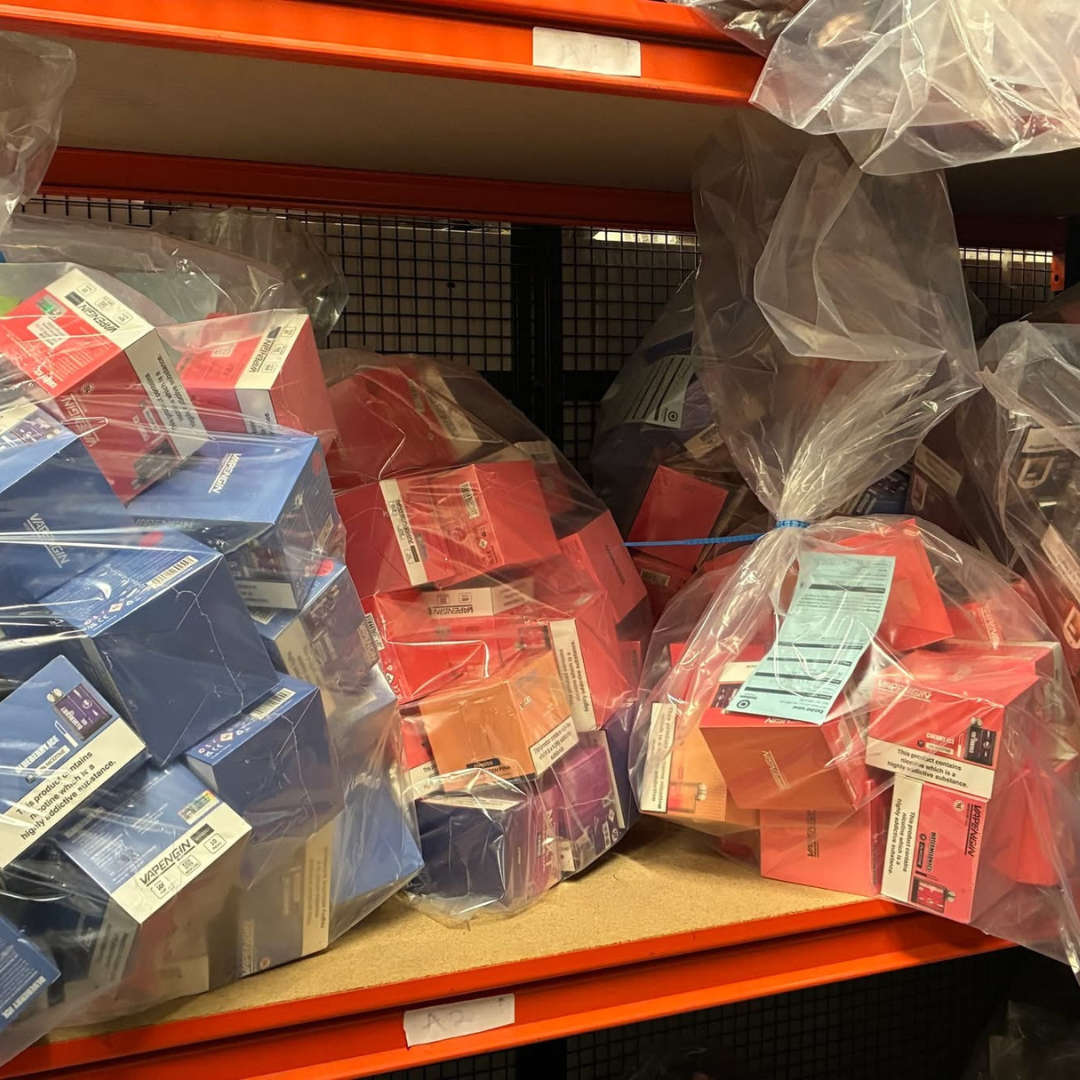 Tens of thousands of illegal vapes seized
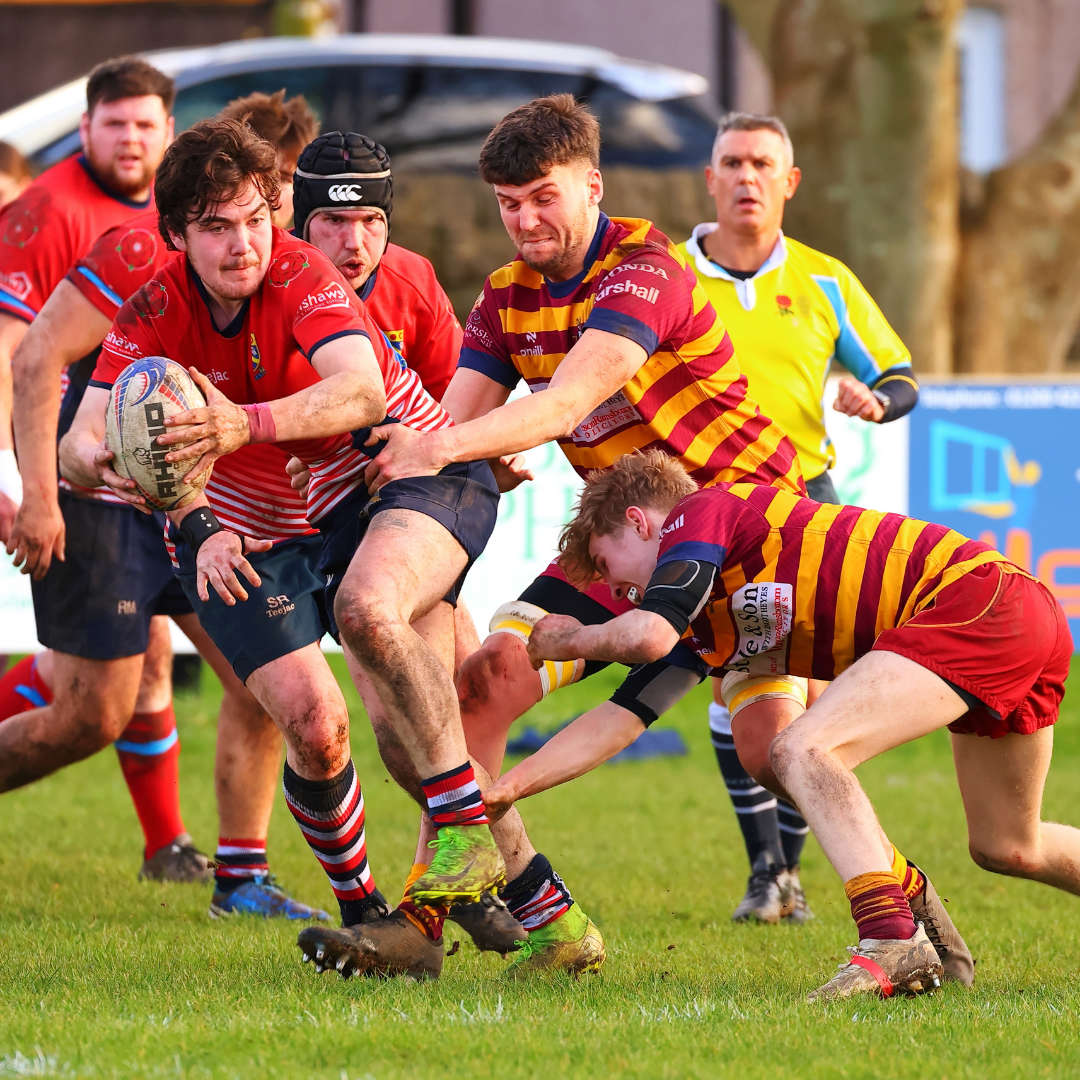 Match Report: Clitheroe 25-40 Oldham RUFC