

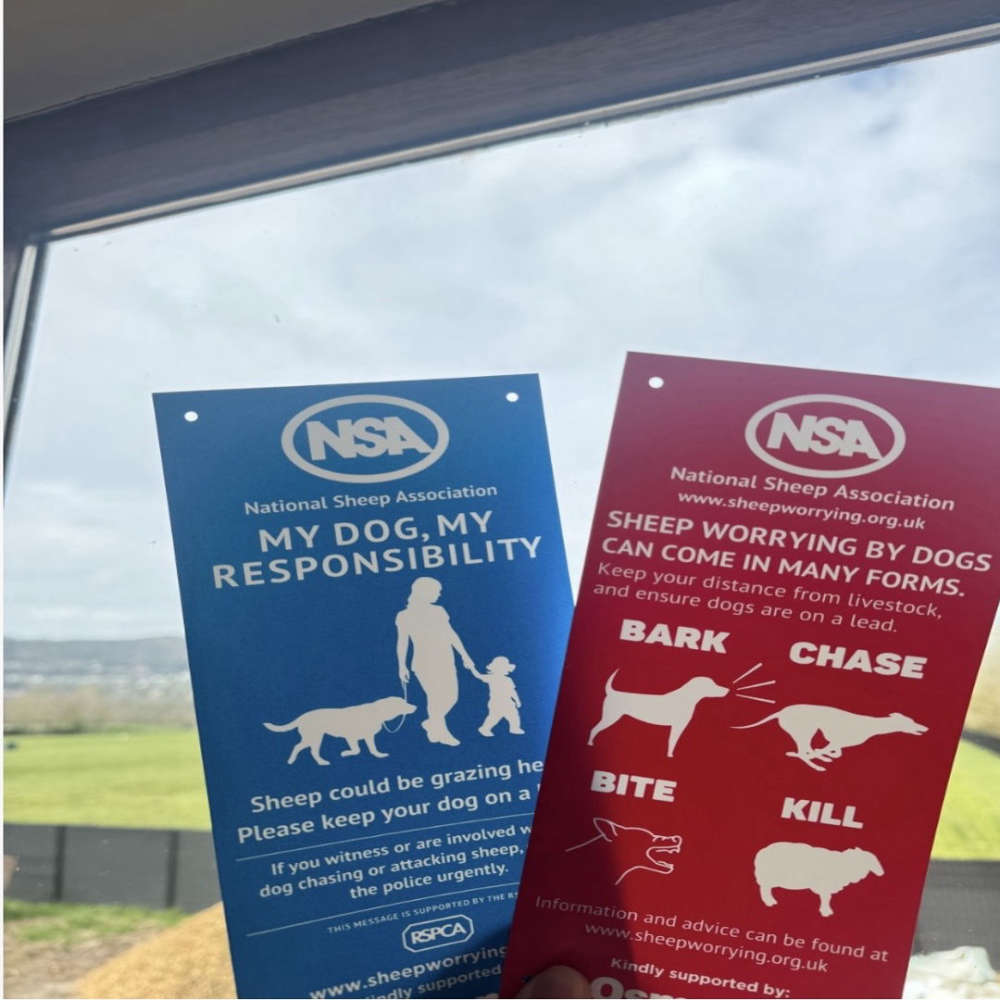
Dog owners are being urged to act responsibly in the National Sheep Association (NSA) latest campaign urging dog owners to tackling persistent and devastating sheep worrying.
Sheep worrying is defined as any incident where a dog attacks, chases, or causes stress to livestock. This includes not only physical injury or death, but also the distress caused by dogs running loose near sheep, which can lead to serious welfare issues such as miscarriage, separation of ewes and lambs, and long-term flock disruption.
And for the first time, NSA has gathered insight directly from the UK’s dog-owning public through its annual sheep worrying survey.
Completed by more than 2,000 respondents, the findings reveal reported awareness of sheep worrying is high, understanding and behaviour is not always aligned leading to sheep worrying cases.
Ninety-seven per cent of respondents to the survey said they were familiar with the term sheep worrying, however, only 65 per cent recognised dogs being off-lead near sheep can also constitute sheep worrying.
Encouragingly, many associated the issue with stress and disturbance to livestock and not just physical attacks, but the gap in practical understanding remains a concern.
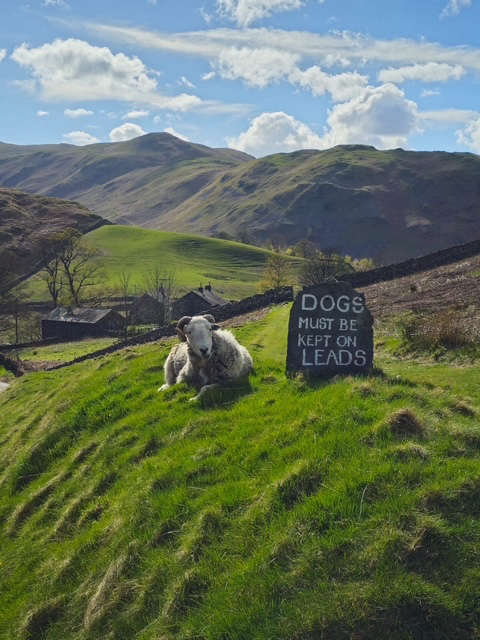
With most survey respondents living within two miles of grazing animals, the survey also highlights how frequently dog walking takes place near livestock. The close proximity, combined with regular use of farmland and common land for recreation, reinforces the everyday risk faced by sheep farmers.
NSA Chief Executive Phil Stocker says: “While it is encouraging awareness of sheep worrying is increasing these findings clearly show that understanding doesn’t always translate into the right actions. Too many dog owners still underestimate how quickly a situation can escalate when a dog is off lead near sheep.”
The concept of a dog being “under control” continues to present a grey area. While 79 per cent of respondents said they would put their dog on a lead when encountering sheep, almost half (44%) admitted to letting dogs off lead on common land, and 31 per cent on farmland. Many rely on recall rather than physical restraint – something farmers know can fail in an instant when a dog acts on instinct.
More than 10 per cent of respondents to the survey said their own dog had previously been involved in a sheep worrying incident. In addition, 16% said they had experienced their dog escaping from a garden, highlighting another often overlooked source of risk to livestock.
Mr Stocker adds: “Even the most well-trained dog can behave unpredictably around livestock. What many owners see as harmless exercise can have devastating consequences for farmers, both emotionally and financially.”
Awareness of legal consequences is relatively strong, with most respondents understanding sheep worrying can result in fines (92%), dogs being shot if caught in the act (94%), compensation payments (85%), seizure of the dog(77%) or euthanasia (71%).
However, fewer were aware that offences could lead to imprisonment (34%) or being banned from keeping dogs (32%), suggesting more needs to be done to communicate the full seriousness of the law. This is particularly relevant as legislation has recently strengthened powers to prosecute those found guilty of sheep worrying offences.
The survey findings also point clearly towards solutions. Signage was identified as one of the most effective tools available, with 72% of respondents saying more signage highlighting the presence of livestock nearby would or might encourage responsible behaviour. Importantly, respondents stressed that signage should be clear, visible, and only displayed when livestock are present to avoid complacency.
Alongside signage, there is strong support for practical measures such as well-maintained fences and gates, as well as continued education through training and awareness campaigns. While 66% backed campaigns and 75% highlighted training as important, the results underline that education must go beyond awareness and drive real behaviour change.
Encouragingly, there is broad agreement that responsibility ultimately lies with dog owners, alongside recognition that better communication between farmers and the public is key.
Mr Stocker concludes: “This year’s campaign will focus on turning awareness into action. The message is simple: keep your dog on a lead around livestock and never take risks. By working together and improving understanding, we can help prevent unnecessary suffering and protect both sheep and dogs.”
NSA’s 2026 sheep worrying campaign started yesterday ( Monday, March 30 to Monday, April 6). The campaign coincides with a critical time for sheep farmers as lambing is well underway across the UK. It is also a time when many people get out and about in the countryside to enjoy the improving spring weather and Easter holidays.
For more information on the NSA 2026 annual campaign and the Association’s work on sheep worrying by dogs visit www.sheepworrying.org.uk
 Housing association visits local primary school to teach pupils about 'no dig gardening'
 James Stannage dies
 Do you know this man?
 The new Oldham Market opens its doors as a bold new era begins