

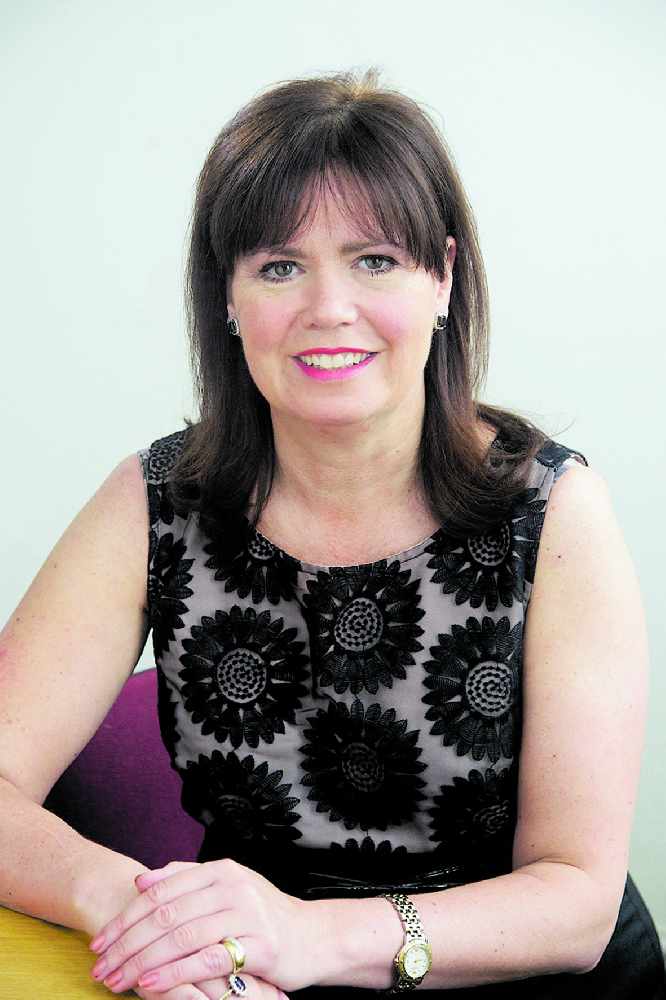
In an exclusive interview with the Tameside Reporter, Karen James OBE, chief executive of Tameside and Glossop NHS Foundation Trust and Stockport NHS Foundation Trust, speaks about the pressures facing the NHS locally and her vision for its future.
From tackling record demand and workforce challenges to driving improvements in patient care across the boroughs, Karen reflects on the realities of leading one of Greater Manchester’s most vital public services.
QUESTION: What exactly does your job entail across the two trusts and how does it work?
KAREN: The organisations are very similar, and the challenges are very similar and most of my executive colleagues work across the two organisations.
Most of my time is split equally between the organisations because it’s really important that staff still see us.
I’m an accountable officer for anything that happens in the hospital and community because we don’t just provide hospital services, but we provide community services too. Whether that’s improving performance, transforming services to meet demand, addressing the finances or meeting performance standards.
What’s more important to me is making sure we provide a great experience for patients, while maintaining quality and safety. Sometimes on occasion we may not get it quite right, but we are here to do our very best and I’m only here to make sure our staff can do a great job.
QUESTION: You received your OBE in 2020 and are credited with turning the hospital around. What is one of your proudest moments?
KAREN: I’ve been here nearly 13 years. When I came here, I think the organisation just needed some support to make the necessary improvements. Everybody comes to work to do a great job, and really my role is to make sure they can do that.
It’s really important that you listen to staff because they know what they need to change and what they can do better. It was about listening to them and working with them to ensure we improve patient experience.
We came out of special measures because we were able to demonstrate to the CQC that we had significantly improved services that we provide. I remember when all of our staff met with the CQC, their passion and commitment really impressed the CQC. That was my proudest moment.
QUESTION: The maternity unit was rated as requiring improvement last year. What improvements have been made?
KAREN: It’s really disappointing to hear that feedback from the CQC, but we’d already started our improvement journey.
One was theatres, because we only had one theatre for emergencies. If you came in for a planned section, you had to walk to the main theatre, which isn’t ideal. We opened a second maternity theatre and have had great feedback.
We’ve also increased staffing and recruited to all the posts. The last cohort of midwives start in January. This has meant we have reduced the numbers of mothers that we have to divert to other hospitals, due to how busy our labour wards have been.
Our special care baby unit got a good rating in January, and we expect maternity services to be either good or outstanding when they return because we have made huge improvements.
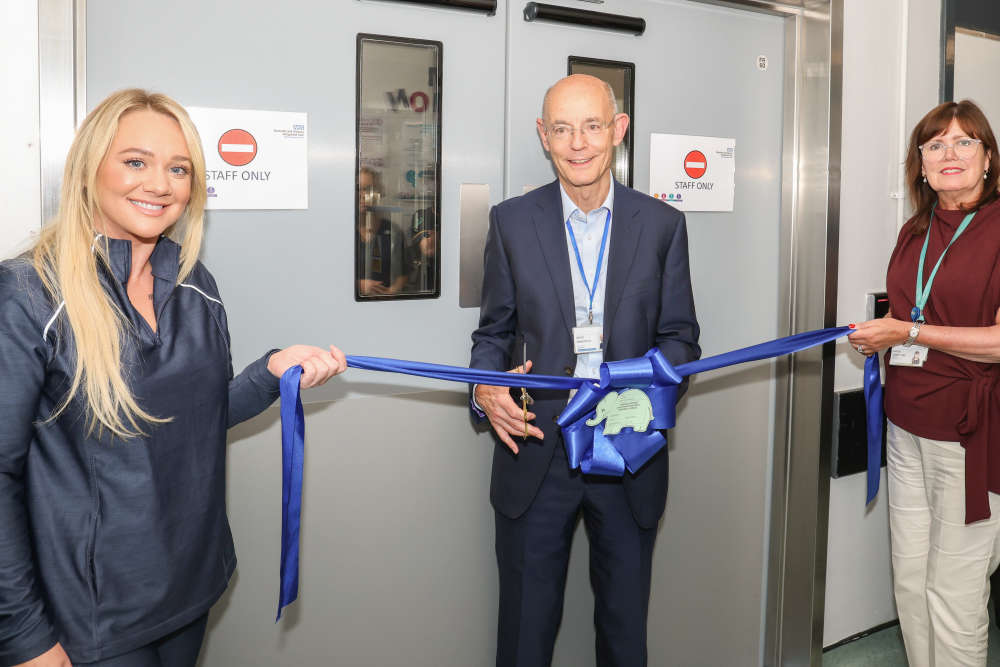
The opening of the new maternity theatre in July 2025.
QUESTION: The NHS is under intense pressure. How can the public help?
KAREN: It’s really difficult, particularly with the strikes, which is a dispute between the resident doctors and the government.
If people can not get a GP appointment, then it would be really helpful if they could contact the 111 service, unless it is an emergency.
We now have a GP on our A&E front door to navigate patients to the appropriate place. We’re trying to take the pressure off A&E by directing people to urgent care centres, the Same Day Emergency Service or back to their GP/community service, as we acknowledge it is difficult for people to navigate the NHS.
QUESTION: What happens if you run out of beds?
KAREN: We sometimes have to cancel planned procedures if urgent care patients need those beds. This is quite distressing for those patients who are waiting for planned surgery, but sometimes this is necessary.
If we run out of beds totally, this means that patients unfortunately have to wait in the A&E Department longer than we would like. We also work with our locality partners, such as social care to ensure those patients who are ready for discharge can be discharged in a timely manner. When we do reach high escalation levels, then we can divert ambulances, in extreme circumstances, to nearby hospitals should they have capacity to take patients.
Demand goes up every year, and our beds don’t increase, so it is really difficult to manage.
QUESTION: How are you supporting staff facing burnout?
KAREN: Having been a nurse myself, I know how difficult it is facing this level of demand.
It’s about understanding challenges from their perspective and what we can do to help. We have processes in place if staff need time out or need to speak to somebody about how they are feeling.
When I am out and about in the hospital or in the community, I see everybody trying to do their best no matter how busy it is. I still see staff smiling and doing their very best to ensure they meet patient’s needs and ensuring their safety
QUESTION: What do you think the public misunderstands most about hospitals?
KAREN: People don’t understand the complexities, particularly why they might be waiting in A&E. They don’t see the urgent patients coming in by ambulance or how sick they are.
Patients are sicker, more complex, and demand has increased. A&E is never quiet anymore.
The NHS has become very complex, and if you don’t know your way around the system, it’s really hard.
- The interview with Karen concluded with a tour of the trust’s facilities, including its new MRI scanner, equipped with projections, music and a TV. I also met staff at the Stamford Unit, which provides additional support for patients before they are fully discharged, and visited the trust’s digital health services. This service, the only one of its kind in the UK, enables patients to receive care and be monitored virtually in their own home. This service provides a single point of contact for community colleagues to access to ensure that the right services can be used to meet the patient’s needs. This helps to ease pressure on hospital services and reflects the trust’s ongoing efforts to alleviate pressure on the NHS and improve innovation and patient-centred care.
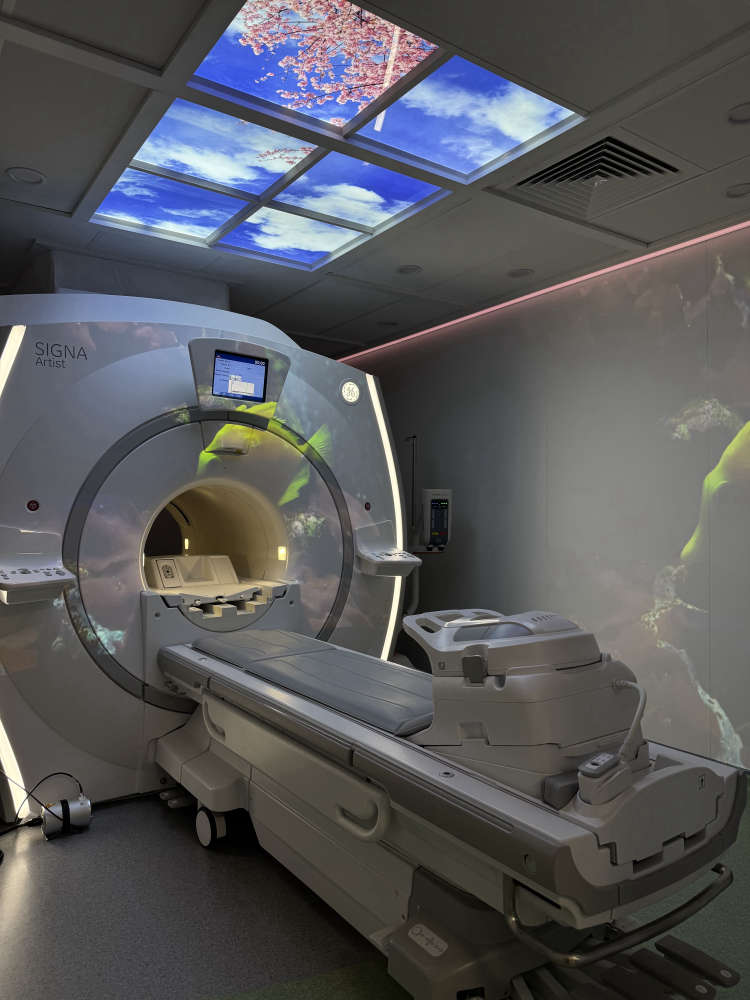
The new MRI scanner at Tameside Hospital fully equipped with projections, music, skylight and a TV.
 Powell and Miliband rally support for Labour ahead of polling day
 Reform UK’s Matt Goodwin cleared of election law breach
 Road closure at Manchester Street roundabout
 Police appeal for help in finding a woman to assist with enquiries