

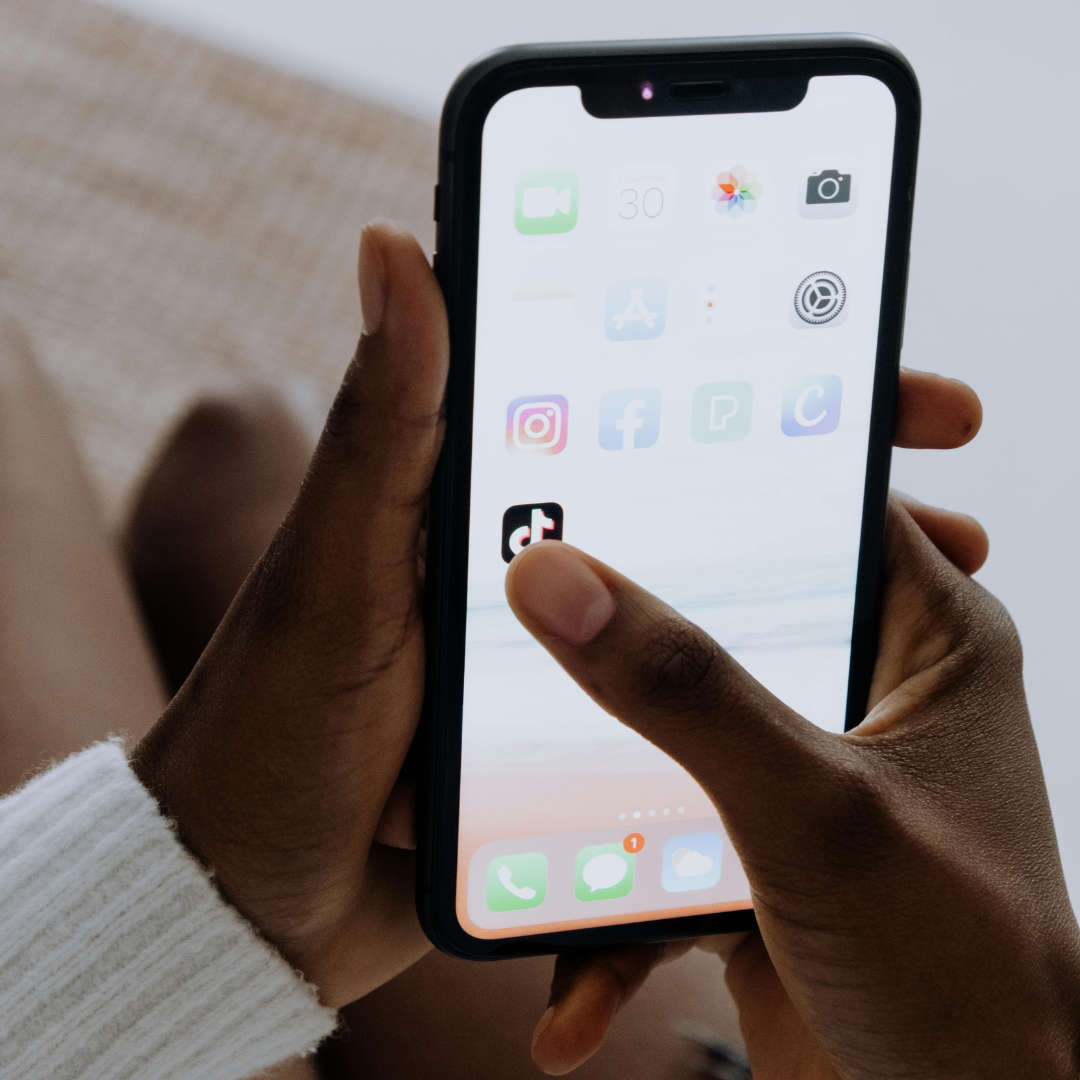
An article written by Eva Yates, 16, on the impact of TikTok and how it affects people across the world.
In the UK, TikTok has approximately 24.8 million active users, making it one of the top social media apps in the country. But should it really be this popular?
It is reported that the platform is banned in 11 countries, including India, Afghanistan, and Albania, while another 14 countries have imposed restrictions due to concerns about security, content moderation and its potential impact on users.
As of 2026, nearly 1.9 billion people use TikTok worldwide each month, placing it firmly among the world’s top social platforms, according to industry estimates.
The average UK user now spends around 42 hours a month on TikTok – the equivalent of nearly two full days spent scrolling.
Most users turn to the app primarily for entertainment. However, its purpose has extended far beyond that, with brands, influencers, and content creators using the platform for marketing, trendsetting, and audience engagement.
Studies of teenagers suggest that TikTok is often used to nurture relationships, find support, and become more socially aware, helping some young people to feel less alone. For many, it also acts as a learning platform, offering practical skills such as cooking, fitness and art, as well as discussions about topics like mental health.
One 22-year-old said: “I do think I am addicted to the app. The fact that it is quick videos keeps me scrolling for hours on end.
“On average, I spend at least two hours a day on TikTok, but sometimes I end up on there for up to six hours.
“Last week alone I spend over 20 hours just scrolling TikTok. I didn’t realise it was that bad!”
Some argue that the app’s negatives overpower the positives.
Charlie Morgan, a YouTube creator, said some research suggests that TikTok may shorten an individual’s attention span, encourage addictive habits and contribute to mental health concerns for some users.
Much of the debate centres on short-form content - short videos designed to convey an idea quickly.
Many of the videos that appear on a user’s ‘For You’ page are viral videos, designed to evoke strong emotional responses, as emotion tends to capture attention.
Some researchers argue that when users scroll through short-form content they are moving between different emotional reactions, which can encourage them to keep watching.
Critics say the constant stimulation from short-form content makes it harder for some people to focus for long periods of time or regulate their emotions. Others believe the effect of short-form content is still being studied and remains widely debated among experts.
TikTok has faced scrutiny from governments around the world, with around 23 countries imposing bans or restrictions in various forms.
TikTok vs Douyin: What’s the difference?
TikTok and Douyin are two versions of the same app, both created by Zhang Yiming and owned by the Chinese technology company ByteDance.
TikTok is available internationally but not in China, whilst Douyin is available only in China.
Although the platforms have similar features, they operate as separate services. TikTok users cannot access Douyin accounts in China, and Douyin users cannot interact with TikTok accounts elsewhere.
Douyin also includes measures designed to prevent addiction in users, including voice reminders or forced interruptions to people who have been watching for too long.
Users say that TikTok has a stronger focus on entertainment, music and international trends, while Douyin operates under China’s strict content regulations and features more educational, scientific and moderated material.
Some critics argue that China is effectively “exporting entertainment” abroad through TikTok, while consuming more educational content at home through Douyin.
The contrast between the two platforms highlights how different societies choose to manage the influence of short-form content.
Does TikTok do more good or harm?
In the UK, public opinion on TikTok remains divided.
Some people believe the platform should be banned altogether, while others argue that a ban would fail to address the wider issues surrounding social media use.
Instead, some experts suggest TikTok should be treated as a public health and education issue rather than simply an entertainment platform.
A balanced approach, they argue, would require action from families, school, governments and technology companies.
Whether TikTok becomes a tool for connection or a source of harm may depend less on the app itself and more on how society chooses to manage its use.
 Council leader backs government's new definition of anti-Muslim hostility
 Dovestone Diamond Multi-Terrain Race back
 Unlimited fines for dogs worrying sheep
 Opening date of Oldham’s new market announced