
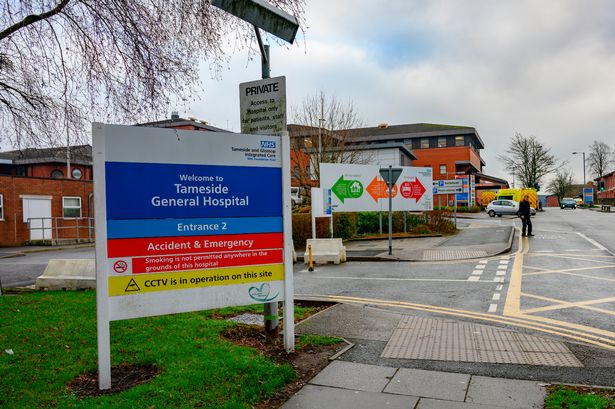
New research has revealed that the vast majority of NHS staff in England have not received training on their legal duties to support patients who are deaf or have hearing loss, with Tameside and Glossop’s hospital trust among those reporting no staff trained at all.
The findings, released on Tuesday (27 January) by national charity RNID, show that 92% of NHS staff in England have not completed training on the Accessible Information Standard (AIS), which was designed to ensure patients with disabilities or sensory loss can access healthcare safely.
Tameside and Glossop Integrated Care NHS Foundation Trust is one of 10 hospital and ambulance trusts in England that told RNID zero members of staff had completed the AIS training module.
The Accessible Information Standard, introduced in 2016, sets out patients’ rights under the Equality Act and requires the NHS to identify, record and meet the communication needs of people who are deaf or have hearing loss. This includes providing alternatives to phone calls for booking appointments and access to qualified British Sign Language (BSL) interpreters where needed.
RNID, which supports the UK’s 18 million people who are deaf, have hearing loss or tinnitus, gathered the data through Freedom of Information requests to 212 NHS trusts and ambulance services in England.
Of those that provided figures, 60% said fewer than 1% of their workforce had completed the training. Just 11 trusts reported that at least half of staff had done so.
Dr Natasha Wilcock, a deaf doctor working in palliative care, said: “As a doctor, it’s clear that staff want to be able to communicate with deaf patients, but they have not had the right training to allow them to do so. This directly leads to deaf people experiencing poorer healthcare. Communicating effectively with deaf patients is not a fun, fluffy extra - this can save lives, prolong lives and give patients better quality of life.”
The research follows a joint RNID and SignHealth report, Still Ignored: The Fight for Accessible Healthcare, which found widespread failures to follow the standard. According to the report:
- Nearly 1 in 10 deaf people or those with hearing loss have avoided calling an ambulance or going to A&E
- 1 in 4 have avoided seeking help for a new health concern
- 70% say they have never been asked about their communication needs
RNID says it has heard of devastating cases where patients did not understand they were dying, had cancer, or had experienced a miscarriage due to communication failures.
RNID’s research suggests many NHS workers feel ill-equipped. Only 32% of staff said they were aware of the Accessible Information Standard, and just 24% felt they could always meet the communication needs of deaf patients.
The main barriers identified were lack of training, lack of time, poor processes and inadequate IT systems.
Crystal Rolfe, Director of Health at RNID, said: “These responses from NHS Trusts up and down the country paint a bleak picture of the kind of communication you can expect if you need medical attention, and are deaf or have hearing loss.
“It’s very concerning but sadly not surprising that 92% of NHS staff have yet to complete such important training, potentially leaving millions at the mercy of substandard care, or worse.
“We call on the Government to take this issue seriously and make AIS training mandatory, and ensure the NHS is a service that meets the needs of everyone.”
RNID is urging the Government to make AIS training mandatory for all NHS staff and to strengthen the law so the standard is enforceable. The charity also wants the Department of Health and Social Care to properly resource improvements and lead a national transformation plan.
An update to the Accessible Information Standard was published in July 2025, but RNID says it does not go far enough to guarantee change.
A Tameside and Glossop Integrated Care NHS Foundation Trust spokesperson said: “Accessible Information Standards is an e-Learning for Health module, which is not within the mandated suite of topics but is accessible to any staff member who may wish to undertake the training.
“We understand that people with deafness or hearing loss often face difficulties when accessing healthcare. The Trust offers an 8-week, face-to-face British Sign Language (BSL) course aimed at patient-facing staff, to help meet the communication needs of patients with hearing loss. Around 40 staff are now trained in BSL and these staff are named in a database so that other members of staff can contact them for assistance when needed.”
 Midweek football round-up: Celtic up to fourth
 Council approves revised plans for Godley Green Garden Village
 Man in his 50s dies in three car crash near Elk Mill
 Successful Pie & Bingo night raises vital funds for Christ Church