

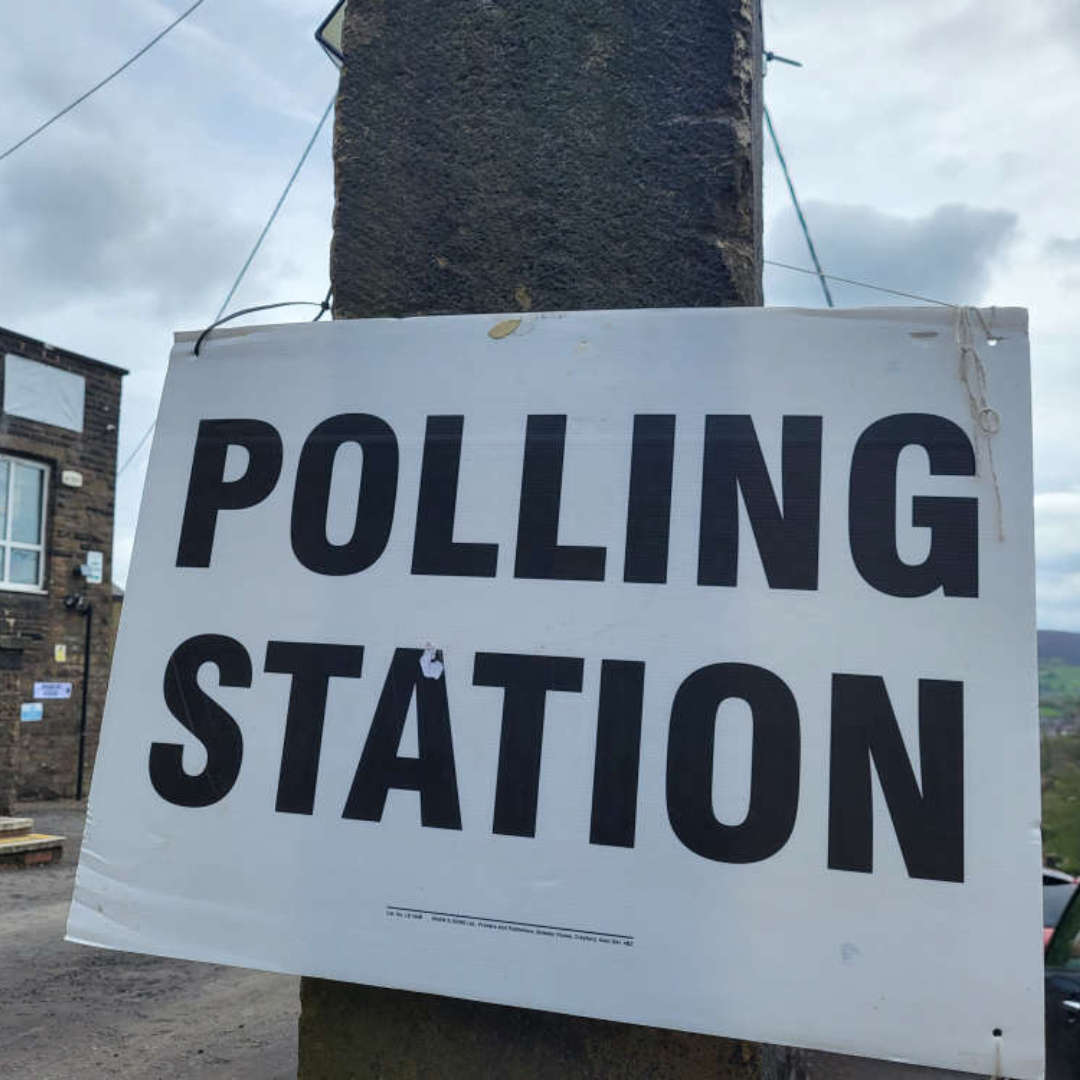
This week, we’re proud to feature a guest contribution from Eva Yates, aged 16, who has spent time in the newsroom gaining a first-hand look at local journalism. As part of that experience, she has written an opinion piece on a topic that directly affects her generation: whether the voting age in the UK should be lowered to 16.
“For too long public trust in our democracy has been damaged and faith in our institutions has been allowed to decline,” said Angela Rayner in agreement with the government’s plan to allow 16-year-olds to vote in future elections. She believes this change will restore trust in politics.
Many citizens agree; they’ve long argued that 16-year-olds are more than capable of voting. 16-year-olds can pay tax, work, serve in the military, and contribute in so many ways to our society that often go unnoticed.
The government say it is “right and fair” for 16-year-olds to vote, but almost sixty per cent of adults still criticise how adolescents are naïve, lack life experience, and are focused on figuring out their lives.
Over two-thirds of 16- and 17-year-olds also believe they haven’t received the proper knowledge to take part in elections.
Thousands are not yet ready for the responsibility of voting.
Ministers claim to understand the desperate need for education by planning to revitalise the National Curriculum. This will include compulsory teaching of Citizenship in primary school.
Supporters suggest this is the perfect subject to teach pupils how to be active citizens. Critics argue it doesn’t emphasise politics enough for students to be fully educated on the democratic process, and the knowledge Citizenship teaches can easily be transferred through society and social media.
Some point out that enforcing Citizenship only at primary will see little impact. One in twenty adults forget what they learned in primary, suggesting that if Citizenship is taught only to young children, it will not make a difference in improving the integrity of the UK democratic system.
Rather than Citizenship, ninety-seven per cent of people believe Politics should be made compulsory in schools. It focuses on the government, the political system, and citizens’ roles within political institutions, making many argue that the lessons and skills Politics teaches can only be taught through the subject itself, which still remains optional at both GCSE and A level.
The new curriculum is set to be taught from Autumn 2028, ensuring students will receive a basic education in democracy.
What about the 16-year-olds who will vote in the 2029 election?
Anyone born before 2017 won’t receive this level of education, and their votes may push a party into government.
The future will rely on Britain’s young people, and many do not have the proper education.
What makes Angela Rayner think 16-year-olds can restore faith in politics?
Even if education improves, trust won’t return as easily.
Trust is broken because of the decisions made by those in power. In 2016, during the Brexit Referendum, forty-eight per cent of voters felt shut down after voting to remain a part of the EU.
During the Covid-19 pandemic, citizens were asked to stay at home, whilst politicians were accused of breaking rules.
Today, in a digital age where over eighty per cent of the population is on social media, politicians’ content is filled with posts criticising other parties, spreading confusion about who to trust.
Citizens feel their voices no longer matter and are losing trust in their representatives.
How will giving 16-year-olds a vote solve this?
Eighty-five per cent of adults say they left school with little to no political knowledge, highlighting the struggle they experienced once they reached voting age. All adults are eligible to vote, and while some make a deliberate and informed decision not to, forty per cent claim they don’t because of little or no confidence in their ability to participate in politics.
Many of us are taking our democracy for granted.
Both adults and young people deserve adequate education in government and politics to make the most of their opportunity to vote.
I believe that to protect the integrity of the UK’s electoral system, a course in Politics should be compulsory for everyone in the UK. They’ll keep up to date with why they should vote, who the political parties are and what they strive to achieve, and any changes to voting.
Voting is an essential part of our lives.
Lowering the voting age will not restore trust until the political education gap is closed for everyone.
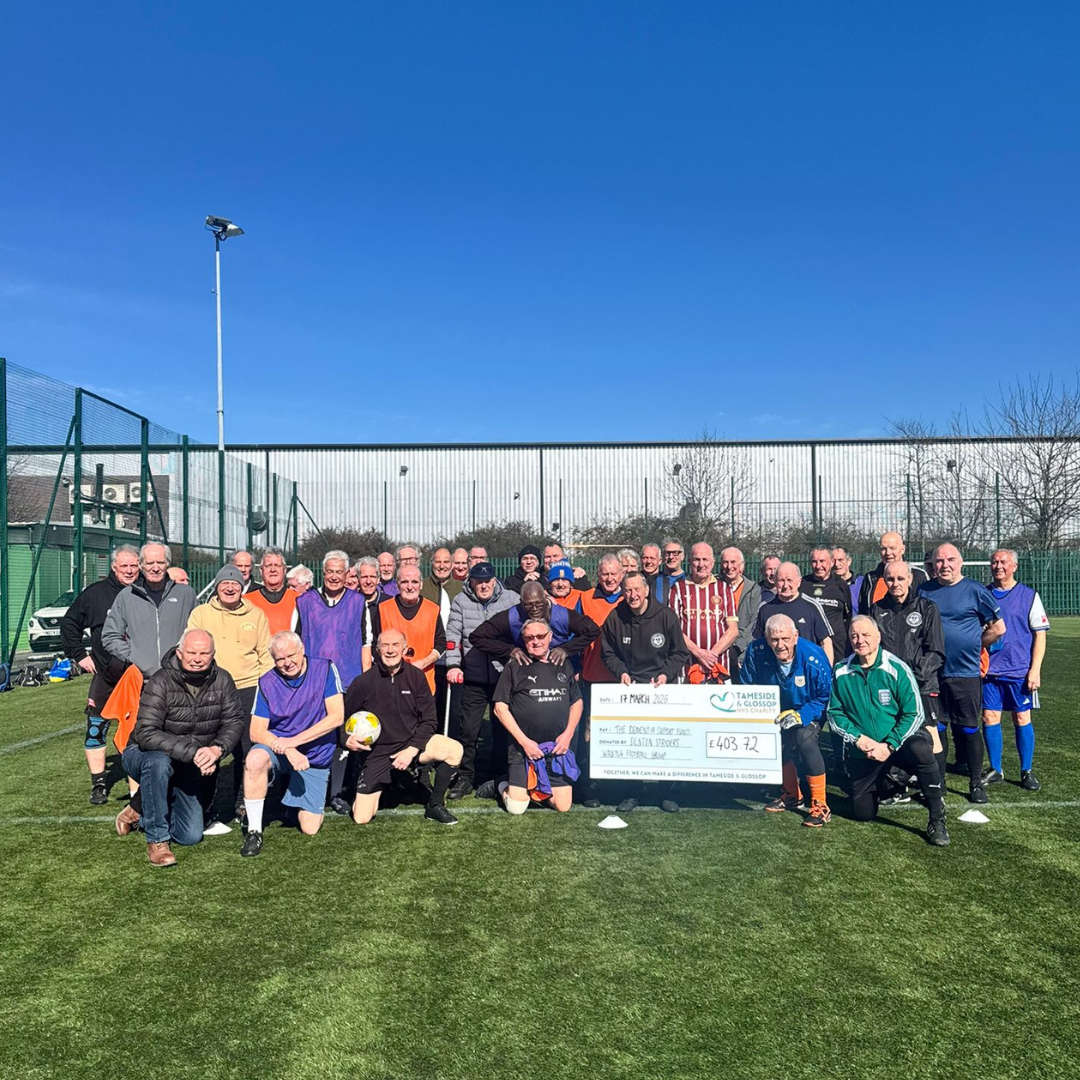 Denton Striders score for dementia care with community fundraiser
 Support worker opportunities in adult social care highlighted at Tameside recruitment sessions
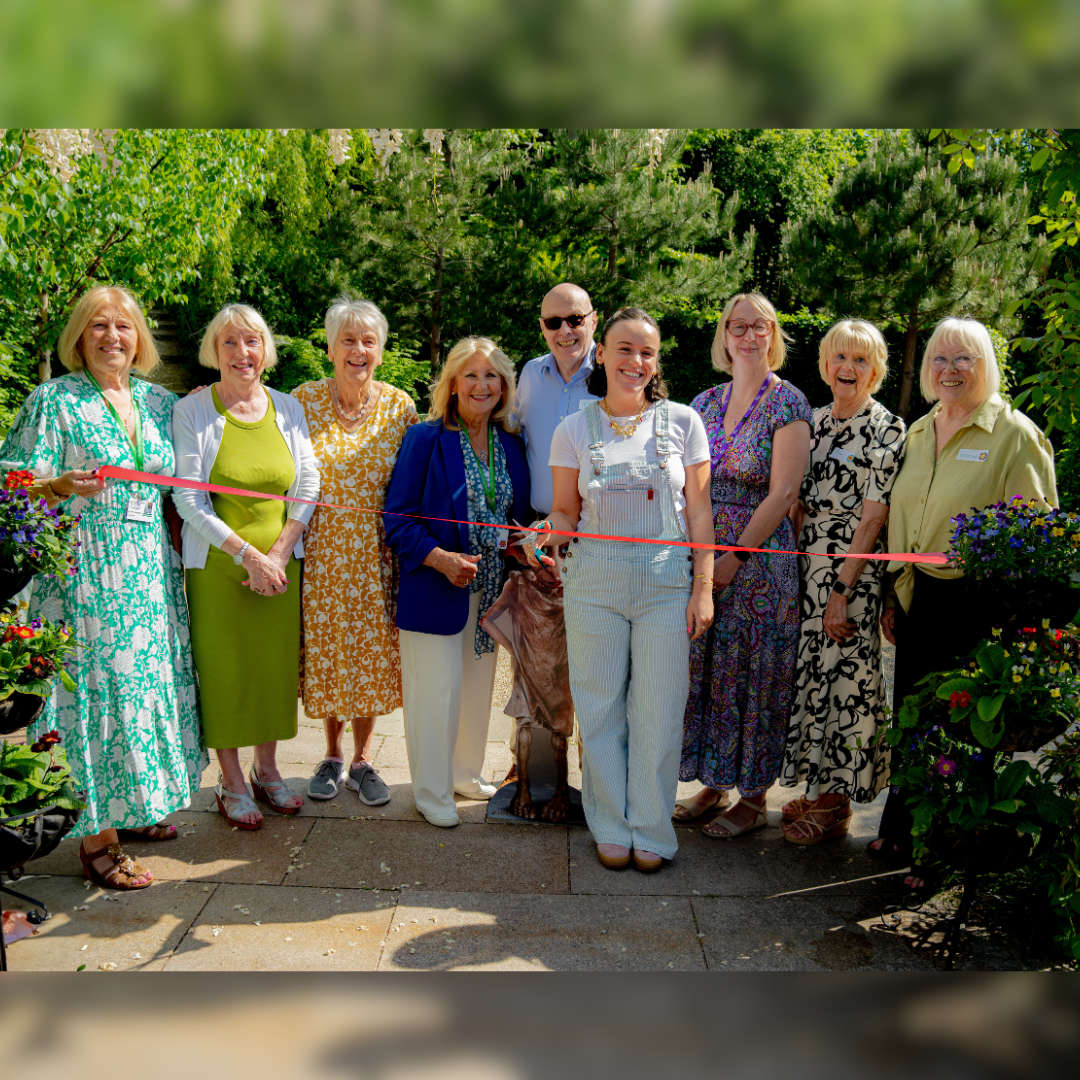 Willow Wood Flower Festival celebrates 10th anniversary with magical Beatrix Potter theme
 Safeguarding Week of Action raises awareness of child exploitation across Tameside