
Hospitality leaders across Greater Manchester are joining forces to address rising levels of stress and burnout among workers, amid warnings that workforce wellbeing is becoming a serious commercial risk for the sector.
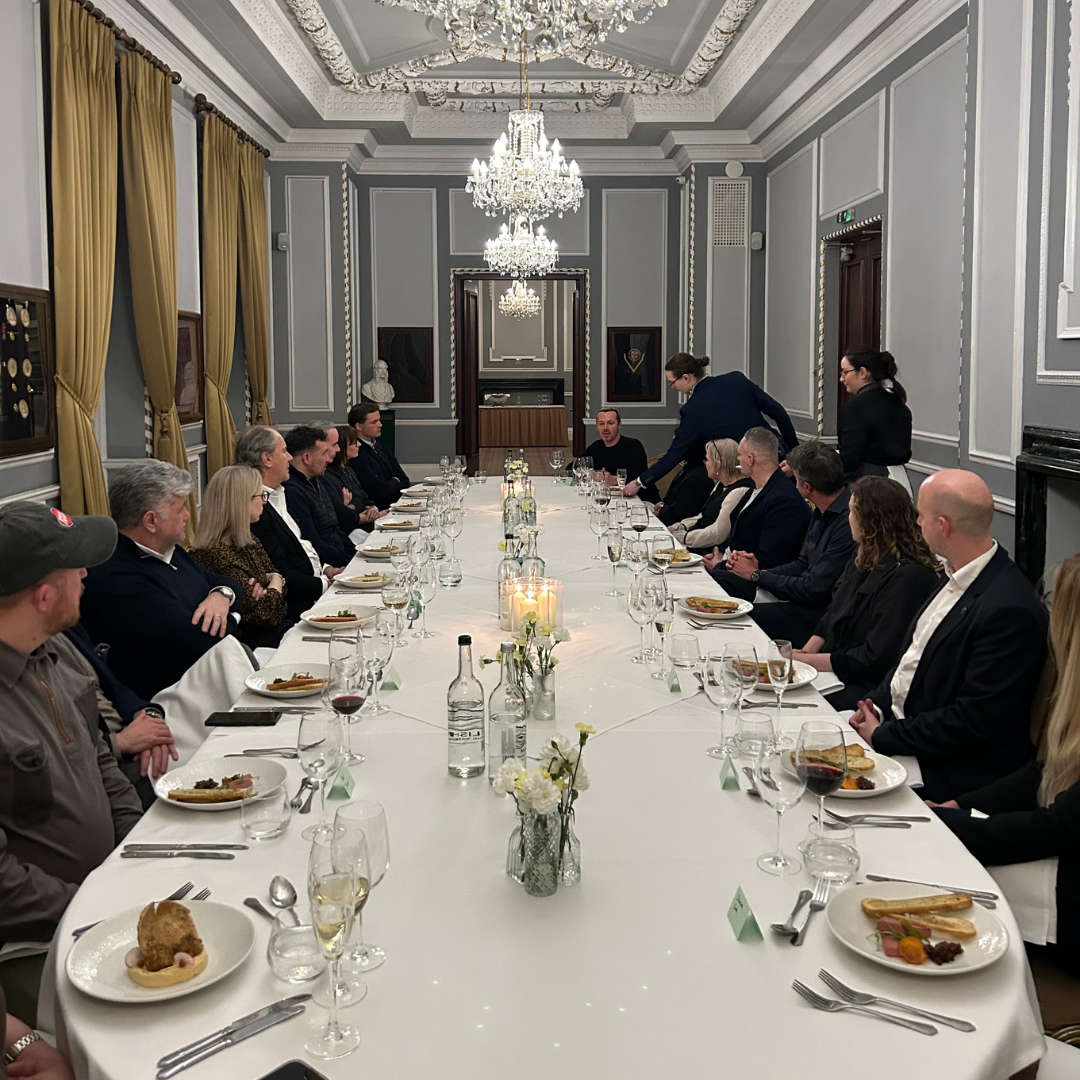
Senior figures from hotels, restaurants, bars, venues and event businesses gathered in Manchester for a private roundtable hosted by the Greater Manchester Wellbeing Series and top 100 law firm Ward Hadaway.
The discussion focused on how businesses can better support staff wellbeing as the industry continues to rebuild following years of disruption.
Research carried out ahead of the event for the Hospitality x GM Wellbeing Series Study revealed that 80 per cent of sector leaders now view staff burnout as a significant business risk. With hospitality still facing recruitment challenges, many say staff wellbeing is directly linked to retaining workers and ensuring long-term profitability.
Industry leaders at the roundtable called for practical measures that can be implemented across organisations of all sizes, from independent venues to major hotel groups. More than 70 per cent of those surveyed said they would prefer a single high-impact wellbeing initiative during the year, rather than complex programmes requiring long-term commitments.
Nick Rusling, CEO of the City Wellbeing Series, said the focus of the discussion was firmly on solutions.
“Hospitality runs on energy. When teams are exhausted or disconnected, it shows,” he said. “It becomes apparent in service, in culture and ultimately in the bottom line.
“What we heard in the room was not panic, but a commitment to investing in their teams for the long term. Collaboration is critical.”
Attendees also highlighted growing pressure on middle managers, persistent staff shortages and the loss of experienced employees to other sectors offering more predictable hours and structured wellbeing support.
Liz Bottrill, executive partner at Ward Hadaway’s Manchester office, said businesses are increasingly recognising both the legal and commercial importance of supporting their workforce.
“Workforce wellbeing intersects with risk, compliance and long-term sustainability,” she said. “But this conversation was not about minimising exposure to employment disputes - it was about fostering cultures where employees are listened to, empowered and appreciated.
“Ambitious hospitality leaders recognise that business success and investment in people are inextricably linked.”
Sacha Lord, chair of the Night Time Industries Association, added that tackling staff retention must be a priority for the region.
“The sector has lost north of 120,000 workers over the last 18 months,” he said. “Many positions lost were for young people aged between 18 and 25.
“If we want Greater Manchester to remain one of the UK’s leading hospitality destinations, we have to make it a sector people choose to build a career in, not one they leave.”
The Greater Manchester Wellbeing Series will bring businesses together at Heaton Park on May 21 for a city-wide wellbeing event designed to encourage collective participation across the sector.
The event will include a 5.5km run, a 2km walk and a collective meditation planned for later in the year, aiming to make wellbeing initiatives accessible and inclusive for workers across the city-region.
Organisations from any sector are being invited to take part and show their commitment to making Greater Manchester “the best place to work, live and thrive”.
 Austerlands residents welcome completion of new community initiative by mayor
 Primary schools begin partnership with Stamford Park Trust ahead of formal join
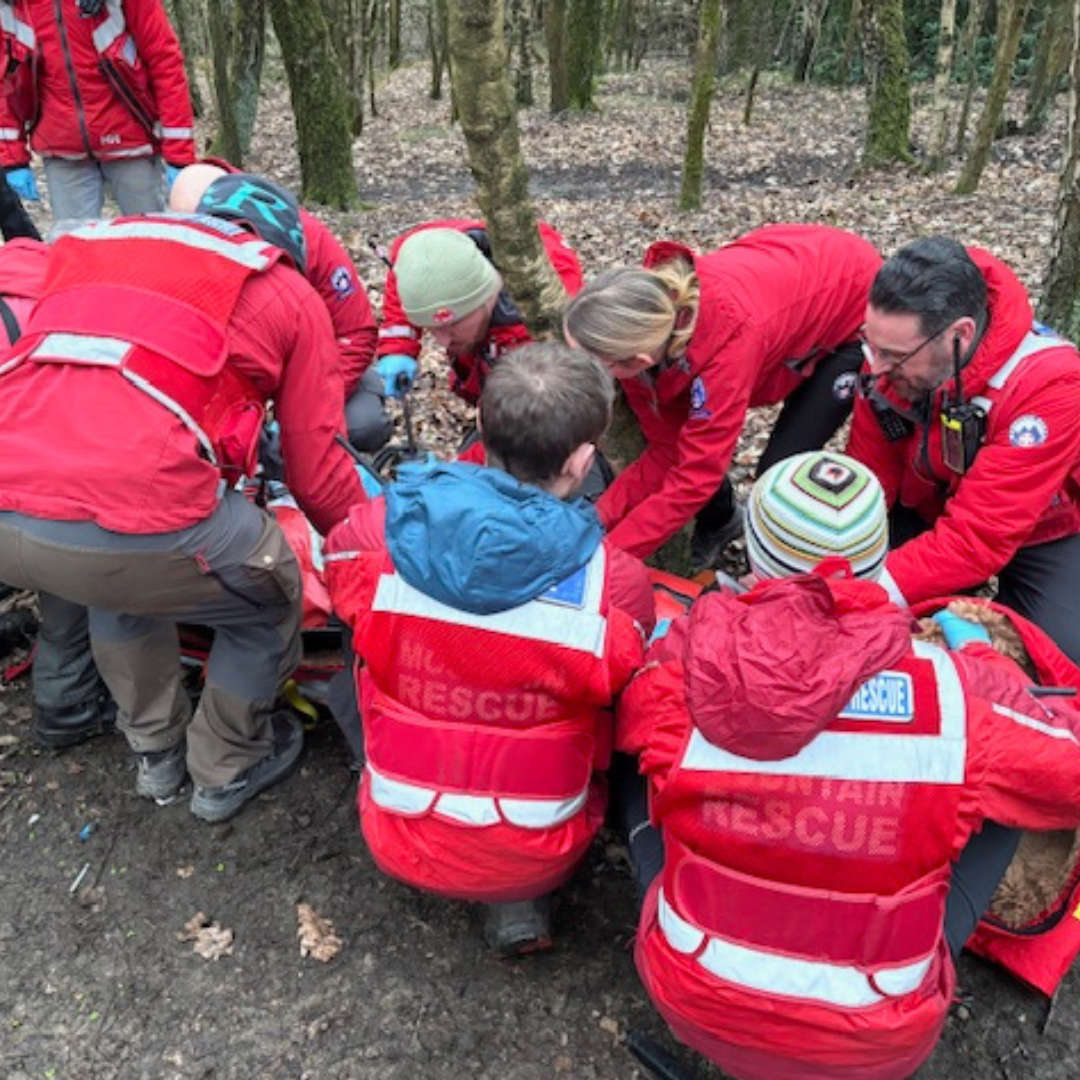 Mountain biker injured in woodland crash
 Call for volunteers to help make Stalybridge Carnival’s 50th anniversary parade the biggest yet