

As Cervical Cancer Prevention Week begins today, health professionals across Tameside are encouraging women to attend their cervical screening appointments and not let fear or embarrassment put their health at risk.
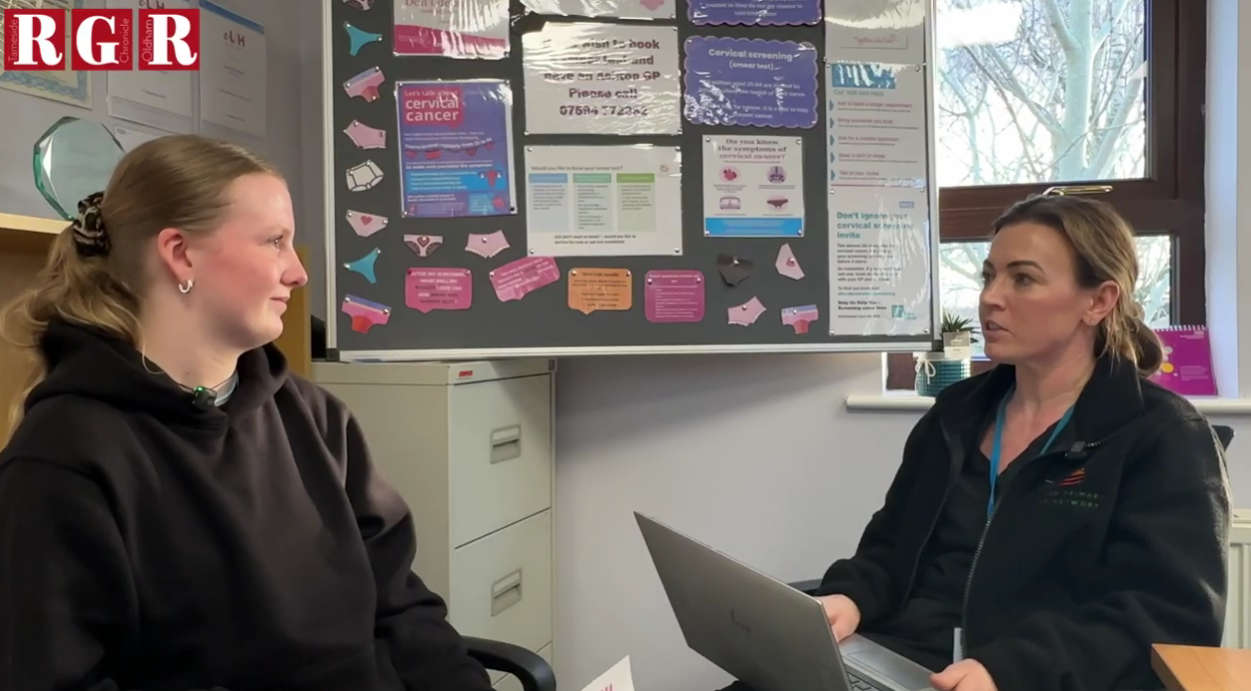
The Tameside Reporter recently spoke with Gemma, Lead Nurse at Ashton Primary Care Network, to discuss what cervical cancer is, why screening is so important, and how women can feel more at ease when attending their smear test.
What is cervical cancer?
Cervical cancer develops in the cells of the cervix, which is the opening to the womb. Gemma explains that it usually develops slowly over time and is commonly linked to a long-term infection with HPV.
HPV is extremely common, with around 80 per cent of women experiencing it at some point in their lives, often without ever knowing. In most cases, the body clears the virus on its own, but in a small number of people it can cause changes to cervical cells, which can develop into cancer if left untreated.
How does cervical screening help?
Cervical screening, often known as a smear test, does not test for cancer itself. Instead, it checks for HPV and early cell changes before cancer has a chance to develop.
“If HPV is found without any cell changes, there’s usually no need for treatment,” Gemma explains. “You’ll simply be invited back in a year to check that your body has cleared the virus. If there are HPV-related cell changes, you may be referred to hospital so those cells can be looked at more closely.”
If your test result is negative, you will usually be invited back in five years, following a recent change to national guidance.
Is the test painful?
For many people, the idea of a smear test can feel daunting. Gemma is keen to reassure women that the test itself is very quick, usually lasting only a couple of minutes.
“The dread is often worse than the procedure,” she says. “Appointments are slightly longer so we can talk everything through, answer questions and explain results, but the test itself is over quickly.”
While the test may feel uncomfortable, Gemma stresses that it should never be painful or unbearable. Women can ask for:
- A female nurse
- A double appointment
- A smaller speculum
- The test to stop at any point
“You will never be rushed,” she adds. “We want people to feel relaxed, supported and comfortable, and to feel able to come back for future tests.”
What symptoms should people look out for?
Cervical cancer does not always cause symptoms, which is why screening is so important. However, signs to be aware of include:
- Unusual vaginal bleeding
- Bleeding after sex
- Pain during sex
- Unusual vaginal discharge
Anyone experiencing these symptoms should contact their GP.
Who should attend screening?
Cervical screening is offered to women and people with a cervix aged 25 to 64, regardless of relationship status or whether they are currently sexually active.
“Even if you’re in a long-term relationship or not sexually active right now, it’s still really important to attend when invited,” says Gemma.
Where can you get information or book an appointment?
The best place to start is your GP surgery. For those who have questions or feel anxious about attending, Ashton Primary Care Network is offering additional support.
Anyone who would like to talk through the process or needs help booking an appointment can contact the team on 07594 772962.
As Cervical Cancer Prevention Week continues, the key message from local health professionals is clear: it’s okay to feel nervous, support is available, and attending your screening could save your life.
“Even us nurses don’t look forward to our own smear tests,” Gemma admits. “Please don’t feel embarrassed. Just come forward, we’re here to help.”
 Inclusive football sessions helping local children build confidence through sport
 Six-bed HMO approved despite local anger
 Lost walkers saved by Oldham Mountain Rescue Service
 Oldham play cafe launches inclusive Easter and Eid celebrations to unite community