

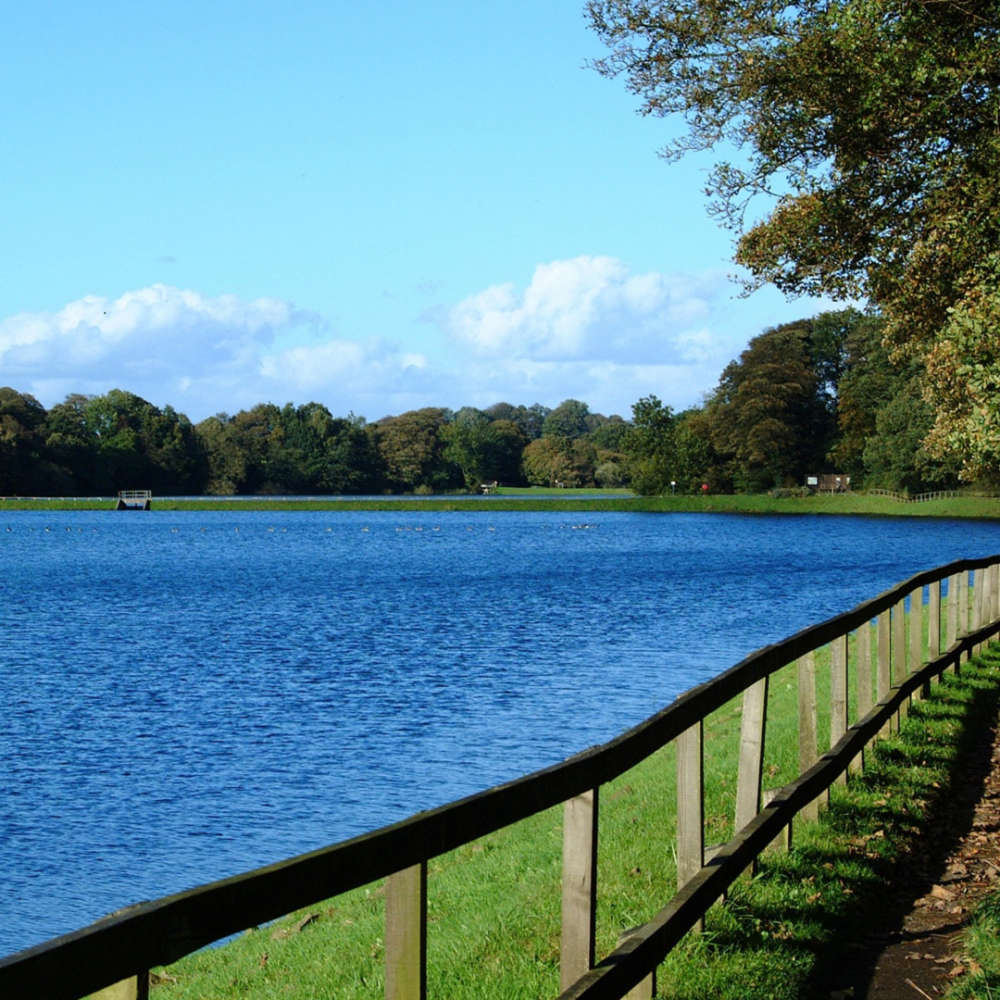
United Utilities has issued a fresh warning about the dangers of cold-water shock as temperatures rise across the North West, following a series of recent open-water deaths.
With another spell of hot weather likely to tempt people out to rivers, lakes, and reservoirs, the North-West water company is urging the public not to be tempted into the water.
The warning comes as young people are preparing to celebrate their A-level and GCSE results, with United Utilities highlighting the potentially fatal risks of swimming in reservoirs and other inland waterways.
Its latest campaign features hard-hitting videos involving members of the emergency services, warning people about the dangers beneath the surface and explaining what to do if someone gets into difficulty.
The campaign comes just weeks after tragedy struck at Dovestone Reservoir in Saddleworth.
Karl Holland, 18, died after getting into difficulty in the water on Friday, July 10th. Emergency services were called to the reservoir at around 7pm, and Karl was subsequently found unresponsive in the water and pronounced dead at the scene.
Greater Manchester Police subsequently urged people to stay out of large bodies of open water, including reservoirs, rivers, and canals..
The tragedy then led to another incident at Dovestone Reservoir when friends of the deceased allegedly set fireworks off in an effort to pay tribute to Karl. Unfortunately, the dry vegetation caught fire, and the incident developed into a major moorland blaze that required extensive firefighting efforts.
The two incidents came against the backdrop of a succession of open-water tragedies during this summer's heatwaves.
Water safety experts have repeatedly warned that hot weather can create a dangerous illusion: while the air temperature may be in the 20s or 30s, deep inland water can remain extremely cold.
Cold-water shock can cause an involuntary gasp when someone enters the water, potentially causing them to inhale water. It can also trigger rapid breathing, panic, and a loss of swimming ability.
United Utilities Asset Management Director Jo Harrison said the company saw drownings every year when the warm weather arrived, saying:
“Sadly, every year when we get a spell of warm weather, there are drownings in waterways across the country. It is heartbreaking to see this loss of life, particularly when many of the victims are so young. Our message to young people is clear: please don’t take the risk."
Grant Baxter, a Group Manager at North West Ambulance Service, added that when someone gets into difficulty, “the clock is ticking."
He added, “The locations of the reservoirs and rivers mean it can take time for help to arrive and unfortunately it can be too late."
The National Water Safety Forum has previously highlighted that most drownings in the UK occur in inland waterways rather than at the coast.
The RNLI's Float to Live guidance recommends turning on to your back, keeping calm, controlling your breathing, and floating until the effects of cold-water shock pass.
Anyone who sees another person in difficulty should call 999 and, if possible, throw them something that floats, such as a lifebuoy or buoyancy aid.
 Oldham congratulates Sir Kevin Sinfield on Knighthood honour
 A historic Grade II listed family chip shop is up for sale
 Oldham Coliseum names playwright Sarah Nelson and actor Mark Newsome as its first Artists in Residence
 Green heads to Oldham