

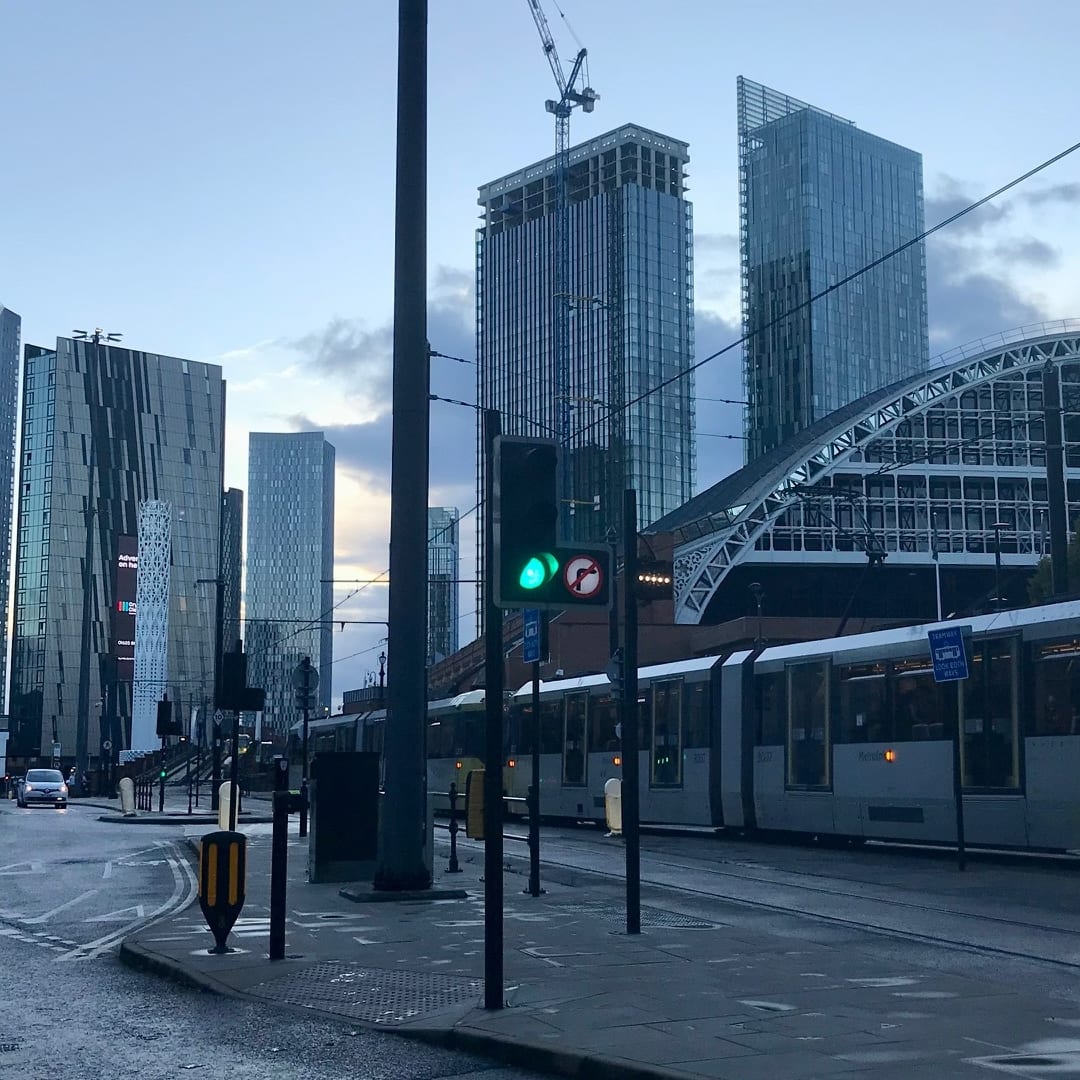
Almost £16m has been dished out to six areas of Greater Manchester to help revive disused buildings.
Bolton, Oldham, Rochdale, Salford Tameside and Wigan will all receive government money from the £125m Derelict Buildings Fund (DBF), it was announced today (October 28). The idea behind the funding is to help bring prominent long-term vacant or derelict buildings back into community use.
The Ministry of Housing, Communities & Local Government (MHCLG) says well known buildings in the heart of town centres being left to rot can become ‘lasting symbols of decline, undermining confidence and holding back the wider high street’.
These types of buildings can be more complex and costly to restore, which is the reasoning behind this funding.
Here is how much money each selected Greater Manchester borough will receive:
Bolton: £2.92m
Oldham: £2.38m
Rochdale: £2.24m
Salford: £2.80m
Tameside: £2.27m
Wigan: £3m
Before the end of 2026 each local authority must engage with communities to get their opinions and create a list of buildings that could benefit from the cash injection.
By April 2027, the projects will be selected and the payment will be made to the local authorities. The delivery of each project would then start.
There is no specific limit on the number of projects the money could be used for, depending on the scale and complexity of the proposed work. An area might decide to draw together a number of different projects to achieve greater reach or one large statement project, depending on what is right for the communities involved.
MHCLG will provide direct ongoing support to local authorities throughout the delivery process. This support could include the use of special powers to fast track development, such as compulsory purchase orders (CPOs).
According to MHCLG, local authorities have been selected based on employment deprivation and then receive a proportionate share of the funding, relative to their population. Funding has been capped at no lower than £1m and no higher than £3m per authority.
The MHCLG website said: “Funding should be used to bring long term vacant and/or derelict buildings back into productive use for the benefit of the high street, town centre or local neighbourhood and the communities they serve. Projects should focus on prominent buildings whose restoration and reuse would help address visible decline, strengthen local confidence and support wider regeneration.
“Funding may support the acquisition, restoration and reuse of high street buildings, including shops, offices, former places of worship, department stores and other heritage buildings, pubs, theatres or cinemas.”
Rochdale MP Paul Waugh said: “Every part of Rochdale has a building people walk past and wish someone would do something about. Now we have the money and the backing to actually do it.
“The Kingsway has been sitting empty for more than eight years, and Littleborough is rightly worried about what happens next to the Wheatsheaf. Buildings like these should be bringing life back to our neighbourhoods, not standing as reminders of what we’ve lost.
“As a Labour and Co-operative MP, I’m especially pleased this fund can help community groups take ownership of the places that matter to them. Alongside the new Community Right to Buy, it gives local people real tools to save their pub. I’ll keep pressing to close the covenant loophole too, so that once a community gets its local back, it can actually pour a pint.
“I’ll be using my role as Programme Champion to make sure this money goes where local people want it to go, and I’d urge anyone with ideas for a building in their area to get in touch.”
 Board says lessons are being learned after man’s death
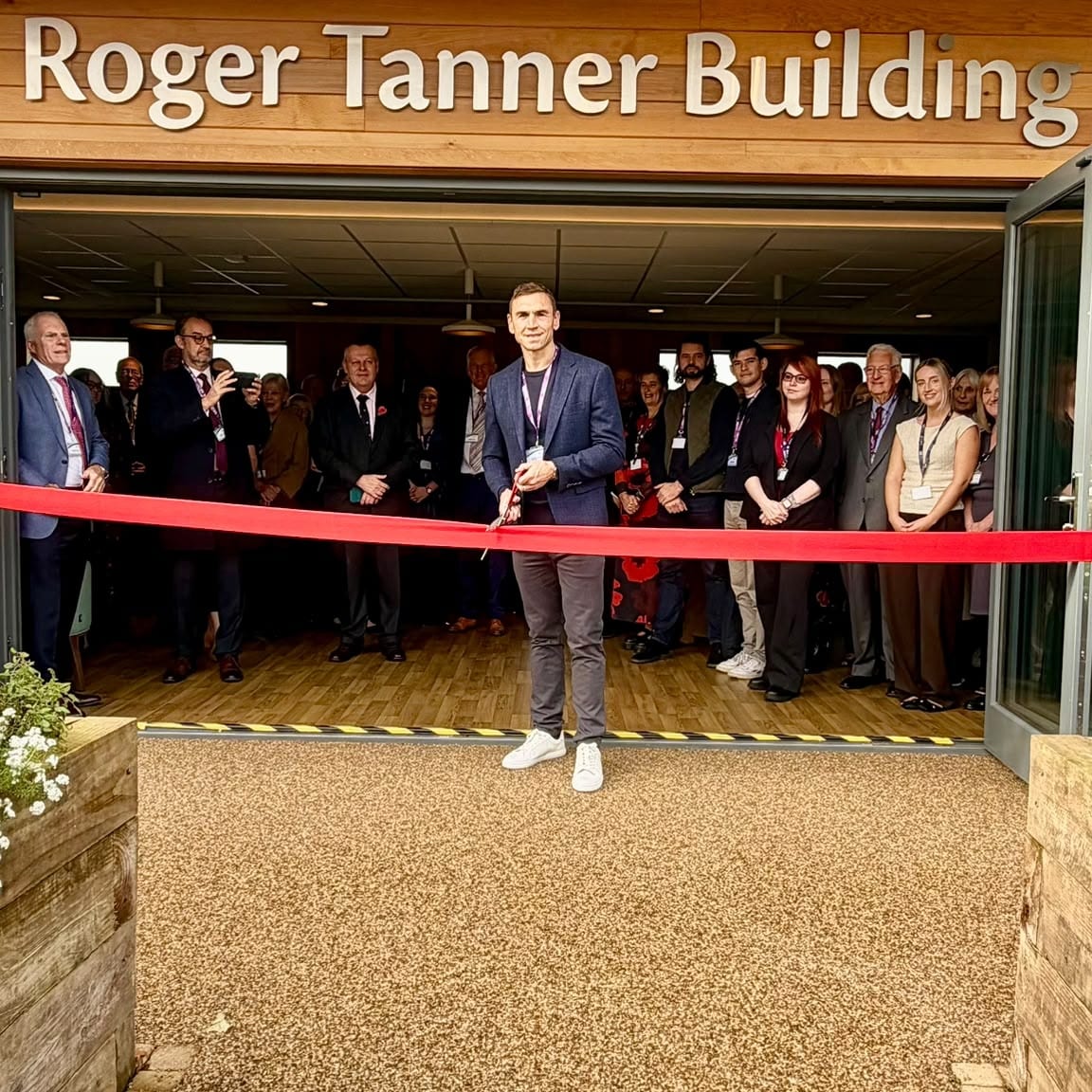 Oldham Rugby star opens the Roger Tanner building at Dr Kershaw's Hospice
 RSPCA and Dogs Trust feel pet owners ‘forgotten’ in Budget
 British Gas Energy Trust welcomes Budget energy relief