

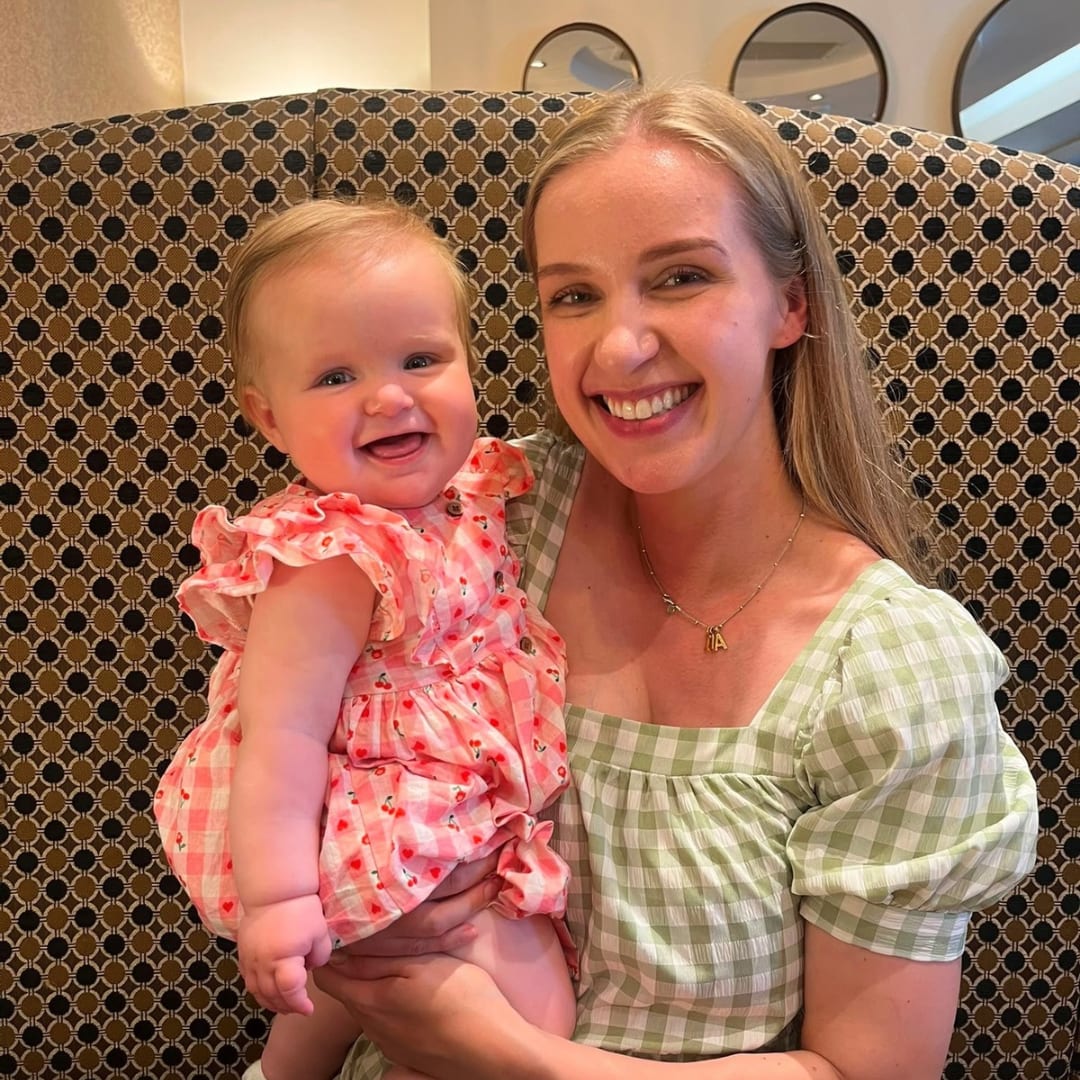
A Glossop mum is taking part in a pioneering study in Manchester which is investigating whether breast milk could help detect breast cancer earlier than a blood test or a scan.
The research, funded by The Christie Charity and led by scientists at The University of Manchester, aims to transform how doctors detect breast cancer that develops during or just after pregnancy, which is often discovered late when the cancer has already spread, leading to poorer survival rates.
Breast cancer is the most common cause of cancer-related death in women aged 35-64 in the UK, and is increasing twice as fast in women under 50 compared to women over 50.
While breastfeeding is generally associated with lowering the long-term risk of developing breast cancer, risk rises during pregnancy and after giving birth and gradually falls over the following decade.
The study, called BRACELET-BM, has started recruiting participants at the Nightingale Centre in Wythenshawe, part of Manchester University NHS Foundation Trust (MFT). One of the first mothers to donate breast milk is married mum-of-three, Hannah Brennan, 31, from Glossop who has a 12-month-old baby girl, Ada, as well as a five-year old daughter and a two-year-old son.
Hannah, a registered midwife who is currently studying for a PhD at The University of Manchester, said: “As soon as I saw the research team were looking to recruit women who were breast-feeding, I wanted to do it. As I’m doing my doctorate, I’m passionate about people being involved in research.
“My paternal grandmother died aged 51 from breast cancer and sadly I never met her. However, I was named after her and I’m told I look like her so I’m doing this for her as well as my two daughters.
“Participating in the BRACELET-BM study was really straight-forward. I just gave a blood sample and donated some breast milk and answered a few questions. As a midwife I feel it’s really important to help other women, so if my small contribution can benefit other mothers in the future, I’m just glad to be able to make a difference and would encourage other breastfeeding mums to take part.”
Pregnancy-Related Breast Cancer, diagnosed during pregnancy or shortly afterwards, occurs in approximately 1 in 3,000 pregnancies in the general population. Among women at very high risk of breast cancer, such as BRCA gene carriers, rates have been reported as high as 1 in 50 pregnancies. Between 35-50% of breast cancer cases in women under 55 years of age are within 10 years of having a baby and 5% of breast cancer in women under 45 are within a year of giving birth. Experts say better breast cancer screening is needed, especially in younger women.
The BRACELET-BM study is led by Dr Niki Flaum from The University of Manchester, in partnership with Dr Florent Mouliere at the CRUK National Biomarker Centre.
Dr Niki Flaum who is also a consultant oncologist at The Christie NHS Foundation Trust said: “There is an urgent need to find better, more reliable ways to detect breast cancer in women during and after pregnancy. We believe breast milk may provide a unique and non-invasive window into what is happening inside the breast. We know surprising little about the genetic changes to breast milk, as this bio-fluid has been remarkably under-researched until now.
“Pregnancy-related breast cancer is more likely to be diagnosed at a later stage, when the cancer has already spread, and survival outcomes are significantly worse compared with women of the same age who have not recently given birth. Diagnosis is particularly challenging because breast imaging during pregnancy and lactation is often unreliable.
“Thanks to The Christie Charity’s support, Manchester has the opportunity to lead internationally in developing a completely new approach to breast cancer detection. If reliable methods for detecting cancer-related DNA in breast milk can be found, we hope future research will test whether this approach could be developed into a screening tool for women with breast cancer or those at high risk.”
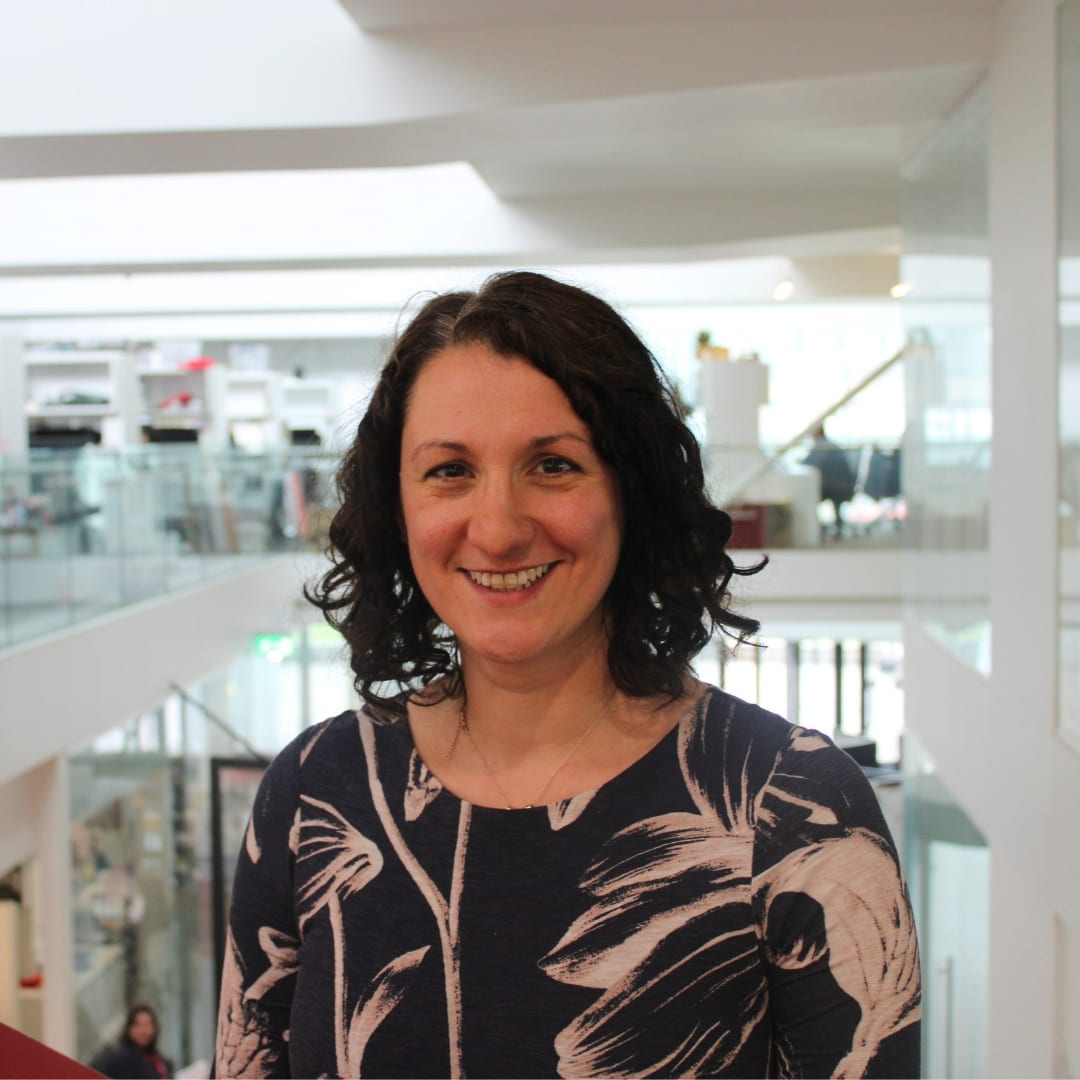
Photo: Dr Niki Flaum.
Alongside donating blood and breast milk samples, participants will complete questionnaires and interviews to assess how acceptable this approach is, ensuring any future screening method is practical as well as effective.
Lousie Hadley, chief executive of The Christie Charity, said “We are very pleased to be able to fund this important research which could improve early detection of breast cancer in high-risk women, including BRCA carrier, enable screening specifically for pregnancy-related breast cancer and help predict risk of postpartum breast cancer. It would also provide reassurance for high-risk women wishing to breastfeed, who are currently often advised to stop early so MRI screening can resume.
“This support is part of The Christie Charity’s commitment to providing £30 million of much-needed funding by 2030 to enable our brightest researchers to make game-changing discoveries right here in Manchester. We are very grateful for the continued support of all our donors in helping us reach this goal.”
For more information on how to take part in this research and donate breast milk and a blood sample should email the-christie.bracelet-BM@nhs.net or call 0161 918 7694.
 New rules at Greater Manchester tips spark fears of ‘passport-style’ queues
 Complaints made over Mottram bypass diversion
 Tameside and Stockport win awards for outstanding NHS CARE
 Glossop campaigners join protest about corporate climate laws